 ▶

▶ Video lessonProduct guide
Why Pipe Bag Size Matters: The Right Fit Can Boost Your Comfort, Control & Performance
Choose the smallest pipe bag that is comfortable for you. A bag that is too big strains your body, makes steady pressure harder and gets in the way of your top hand. I like the Bannatyne hybrid bag: leather outside, a synthetic breathable layer inside, no seasoning. I also show two custom sizes, one for longer arms and one for kids.
The Main Ideas
Smaller is almost always better. A pipe bag that is too big makes it harder to keep a steady bag pressure, strains your body and gets in the way of clean finger technique, especially on your top hand. I learned this the hard way when I played a large bag and almost quit piping.
In this video I walk through leather, early synthetic and Bannatyne hybrid pipe bags, and why I like the hybrid so much. Then I explain how to choose a size, and I show two custom bags: an extended small with an extra long neck for longer arms, and the Super Mini for kids and smaller pipers.
Your bag works together with your blowpipe, so I also point you to my video on blowpipe length and the Perfect Angle Blowpipe Positioner.
At a glance
| Rule of thumb | The smallest bag that is comfortable for you |
|---|---|
| Leather bags | Need seasoning, can dry out, can feel spongy, and can mold or rot |
| Bannatyne hybrid | Leather outside, synthetic breathable layer inside, bottom zipper, rubber grommets |
| Most popular sizes | Small, extended small and the Willie McCallum size |
| Medium and large | I have never sold them and would not recommend them |
| If you are 5 foot 7 or shorter | You probably want the small |
| Longer arms | Custom extended small with the neck moved out 2 inches |
| Kids and smaller pipers | Super Mini, scaled down by 2 inches in every dimension |
Video highlights
“It’s not about having the most air. It’s about having the right size pipe bag for your body size.”
“Here’s what you’re going for: you want the smallest bag that is comfortable for you.”
“I don’t have them on my shop and I would not recommend them, because smaller is better.”
“Learning the pipes is hard enough without that added difficulty of having an instrument that doesn’t fit you, that’s too hard to play.”

Free guideFind Your Perfect Pipe Bag SizeMy free guide to choosing the best bag size and style for your body, with step-by-step sizing and the mistakes to avoid.
Get the free guideThe pipe bags and gear in this video
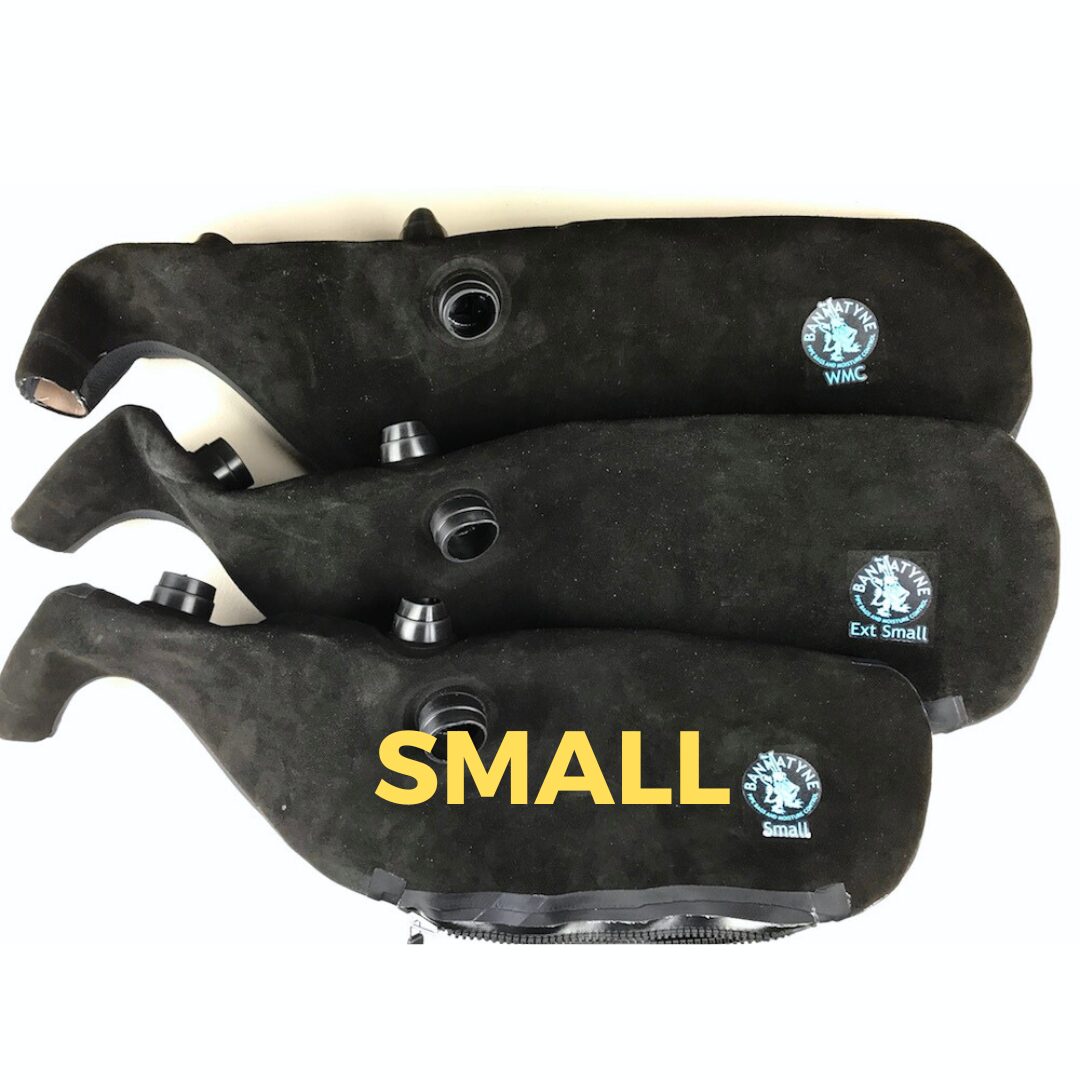 Bannatyne Hybrid Small Pipe BagThe smallest standard Bannatyne size, and my favorite.Learn more →
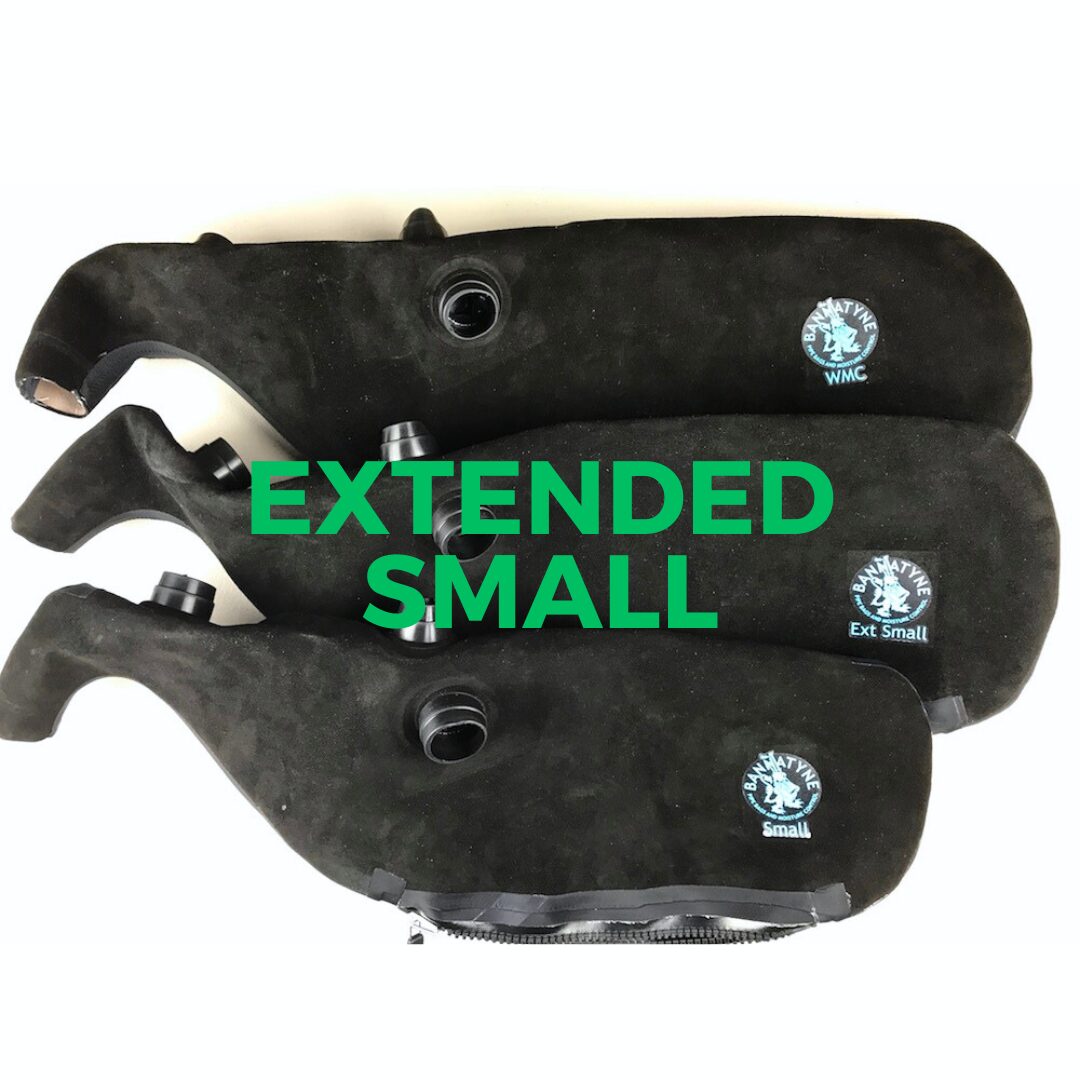 Bannatyne Hybrid Extended Small Pipe BagLonger in the back and slightly bigger around than the small.Learn more →
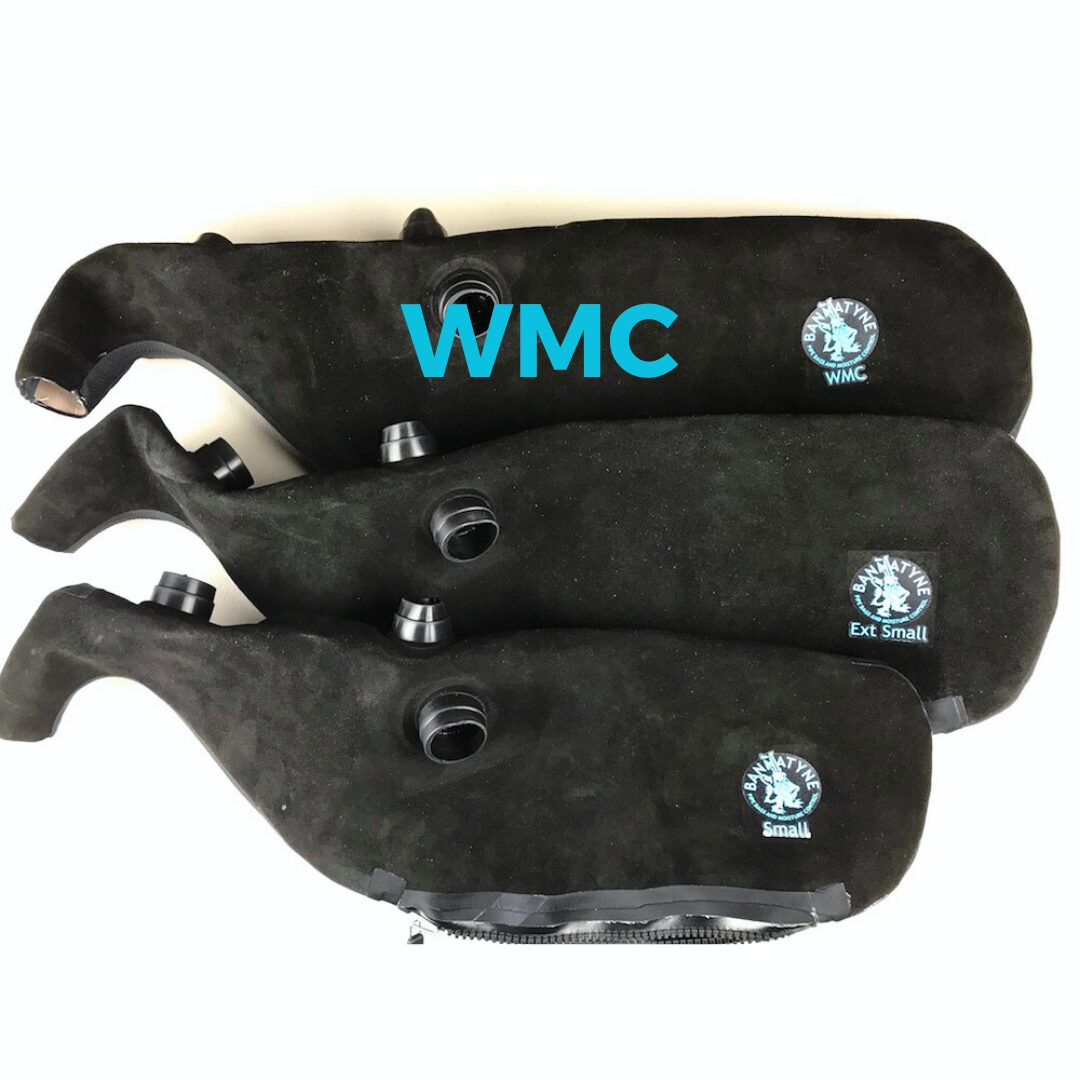 Bannatyne Willie McCallum Size Pipe BagBigger in the middle and back, with a tapered neck to free up your forearm. My bestselling size.Learn more →
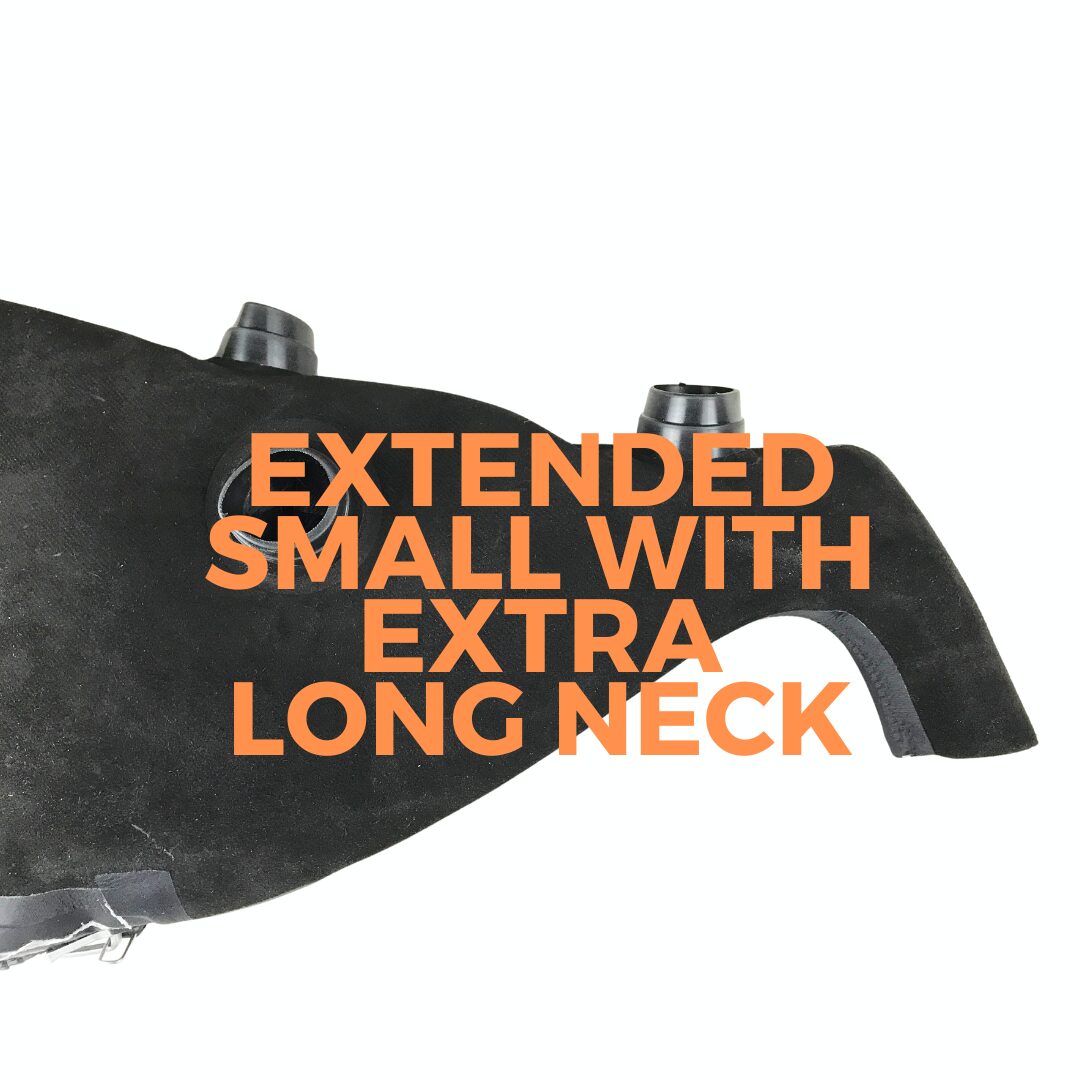 Bannatyne Extended Small with Extra-Long NeckA custom size with the neck moved out 2 inches, for longer arms.Learn more →
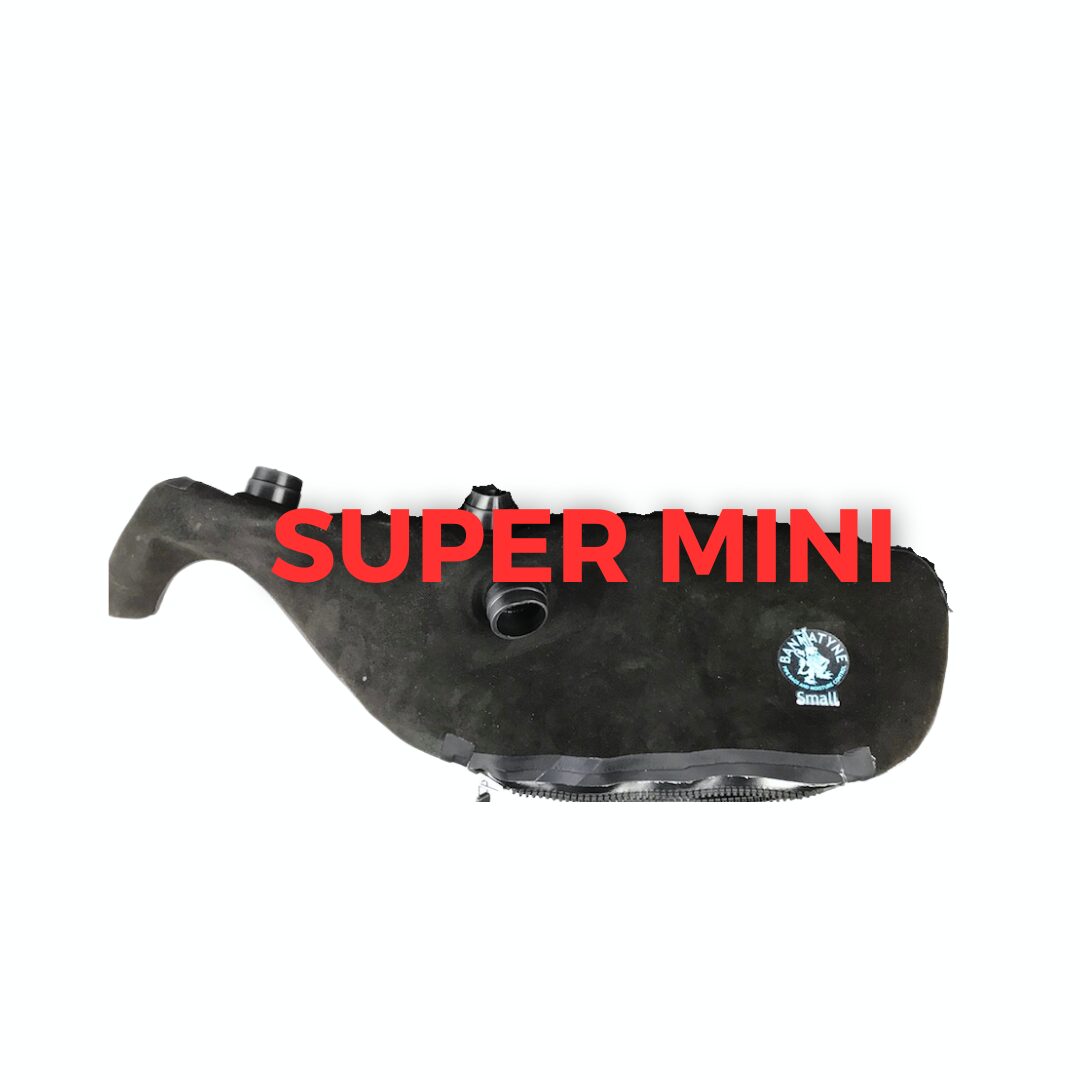 Bannatyne Super Mini Pipe BagA custom size, scaled down by 2 inches in every dimension, for kids and smaller pipers.Learn more →
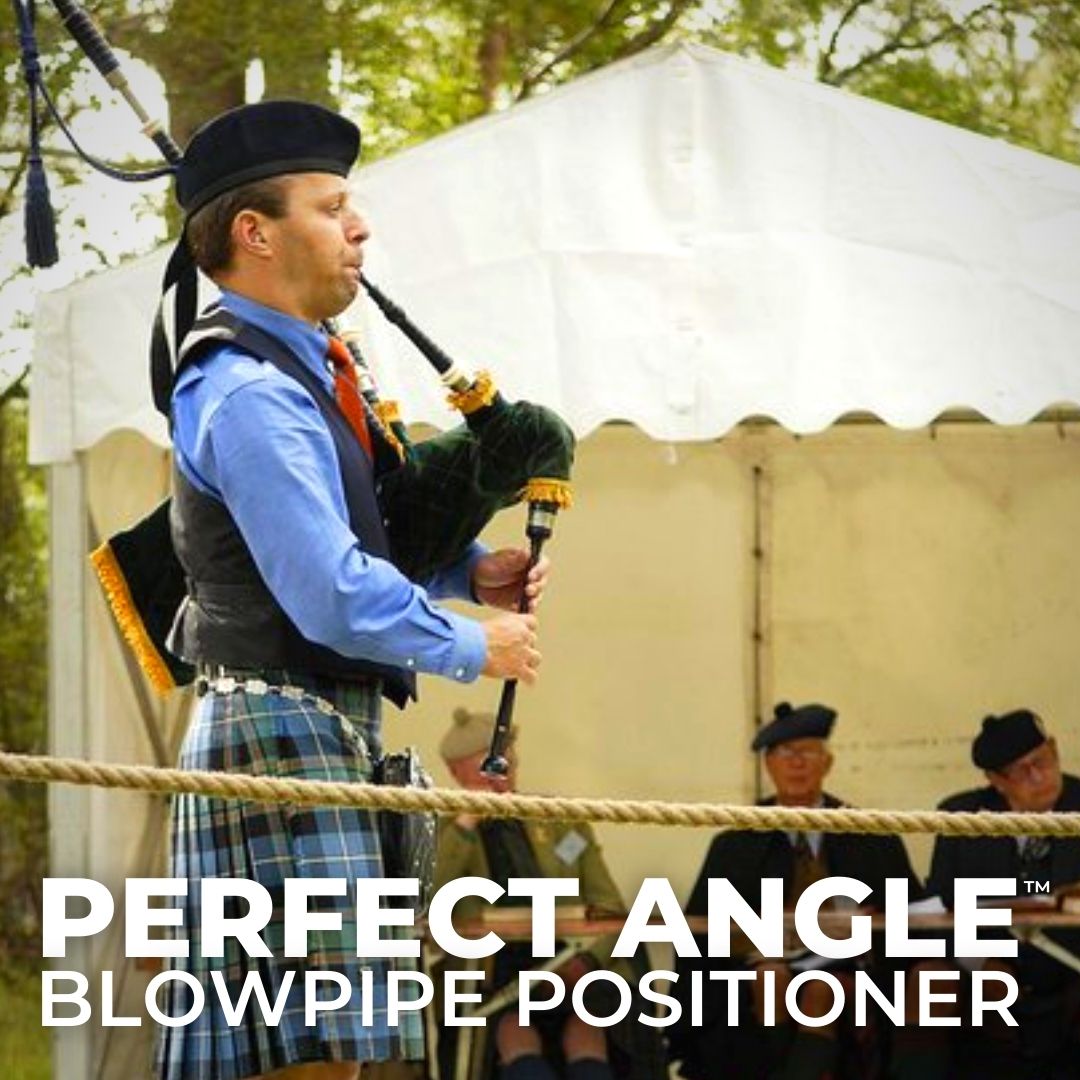 Perfect Angle Blowpipe PositionerLets you find and adjust the angle and position of your blowpipe so it sits comfortably in the middle of your mouth.Learn more →
 Dri-Flo Moisture Control SystemBannatyne's moisture control system: three tubes of silica gel that dry the air inside your bag.Learn more →All Bannatyne Pipe BagsEvery Bannatyne hybrid bag size I sell, including my custom sizes.Learn more →
Your questions, answered
Tap a time to watch that part of the video.
What does a pipe bag do?
It holds the air so you can have a continuous sound, and it manages the moisture from your breath. A good bag is as airtight as possible so you don't lose air, but breathable enough that moisture can escape. It should also be the right size and shape for your body.
What are the drawbacks of a leather pipe bag?
Leather bags need seasoning to stay airtight, they can dry out when you don't play regularly, and they can feel spongy because the leather stretches out over time. Too much moisture and seasoning can lead to mold and can even rot the leather.
What were the first synthetic pipe bags?
One of the earliest was the Ross bag, developed by Jeff Ross in Australia. It started as a rubberlike material that was not breathable, so Ross switched to a more breathable material, kind of like Gore-Tex. Another early one was the Canmore bag, made from Gore-Tex brand material.
What is a Bannatyne hybrid pipe bag?
It has leather on the outside and a synthetic breathable layer on the inside. It stays totally airtight with basically no maintenance and no seasoning, and it dries out completely between playing sessions. It also has a high-quality zipper on the bottom and rubber grommets.
How do I install a Bannatyne pipe bag?
Open the zipper, put the stocks inside the bag and pop them through the rubber grommets. You can install a new bag in just minutes. I show the whole process in my Build Your Bagpipes video.
Is a bigger pipe bag better?
No. When I started, the advice was to get the largest bag possible. I got a large Canmore bag and it was a disaster. It was uncomfortable, it kept falling out from under my arm and it was hard to blow steady. It's not about having the most air. It's about the right size for your body.
What are the advantages of a smaller pipe bag?
A smaller bag sits higher up in your arm, feels more secure and slips less. That gives you better leverage and control, so it's easier to keep steady pressure with less effort. Your forearms stay nice and level, like the top pipers.
How do I choose a pipe bag size?
Pipe bag sizing does not translate from your clothing size. Look for the smallest bag that is comfortable for you. A larger bag pushes on your forearm and hurts your top hand finger dexterity, while a smaller bag frees it up.
What pipe bag size should I buy for my height?
If you're 5 foot 7 or shorter, you probably want the small, and some pipers over six feet tall use it and love it. The extended small is the next size up, and the Willie McCallum size is a good middle ground and my bestselling size.
What if I have long arms and the chanter feels too close to my body?
I worked with Bannatyne on a custom extended small with the neck moved out by 2 inches. Everything else is the same, just the chanter sits 2 inches further out. My student said it was the first time his pipes felt truly comfortable in his whole life.
Why does pipe bag size matter for beginners and kids?
A properly fitting instrument helps you develop good habits and proper posture, and learning the pipes is hard enough without an instrument that doesn't fit you. Violins come in fractional sizes for young children, but that kind of customization is not typical for bagpipes.
What is the Super Mini pipe bag?
It's a custom bag I had Bannatyne make for my son. It is scaled down by 2 inches in every dimension compared to the standard small, with the same grommets, hybrid technology and zipper as the larger bags. It's for young children and smaller pipers.
Which Bannatyne pipe bag should I choose?
My personal favorite is the small. The extended small and the Willie McCallum size are great options too. For longer arms, try the custom extended small with the long neck. For kids and smaller pipers, try the custom Super Mini. If you love the small but want a little extra room in the back, there is a custom small with the extended back.
Each week, the Inner Circle's lively sessions are designed to benefit pipers of all skill levels, all around the world.
LEARN FASTER. FIND GREATER ENJOYMENT FROM YOUR PIPING. JOIN ME.
Join the Inner CircleFull video transcript
0:01 Bagpipe Ergonomics and Pipe Bags
Welcome back to BagpipeLessons.com. I’m Jori Chisholm. In my previous video on my channel, we looked at the importance of your bagpipe blowpipe length and position and how it affects your posture, stamina and overall playing comfort. Today we’re going to look at another crucial element for good bagpipe ergonomics, and that is your pipe bag. Your pipe bag does more than just hold air. It’s a huge influence on your entire body position, and it affects your ability to keep steady bag pressure, which is really important for great tone, of course.
So in today’s video, we’ll look at different pipe bag types, we’ll discuss the pros and cons of each type, and I’m going to show two brand new bag sizes I’ve never talked about publicly before. I’m going to tell you about my favorite pipe bag and why it might be the best choice for you, too. And I’ve got a special offer just for you and viewers of my channel, so stay tuned. You don’t want to miss this video. Welcome to BagpipeLessons.com, where you’ll find the inspiration and knowledge to fulfill your piping dreams.
1:05 Key Functions of a Pipe Bag: Airtightness and Moisture Control
The pipe bag is a crucial component of your instrument, of course. It holds the air so you can have a continuous sound, and it also manages the moisture from your breath that builds up inside the bag as you play. A good pipe bag needs to be as airtight as possible so your pipes are efficient and you don’t lose air, but it also needs to be breathable so that moisture can escape through the bag, even with the moisture control system. And you want your pipe bag to be the perfect size and shape for you and your body so you can play comfortably. Now, since pipers come in a variety of sizes, finding the perfect pipe bag size for you is important.
Now, for generations pipe bags were made of leather, like sheepskin, cow leather, even kangaroo leather down in Australia, because pipers had to do with whatever natural materials were available to them. And before we had synthetic materials, leather was the best. Now, leather is reasonably durable and has some natural breathability, but leather bags have some drawbacks. First of all, they require seasoning to remain airtight.
2:23 Leather Pipe Bags: Benefits, Drawbacks, and Maintenance
And seasoning is this hot goop that you pour into the bag and rub into the leather to seal all the pores and the seams. Leather bags also can dry out when they’re not being played regularly, and then they become less airtight. Also, leather bags can have a spongy feel, which makes it hard to blow steady because the leather bag stretches out over time. Also, excessive moisture and seasoning in the bag can lead to mold, and also extra moisture and seasoning in the bag actually can rot the leather. So even though you’re using seasoning to maintain the airtightness, it degrades the bag and shortens its life.
One of the earliest synthetic pipe bags was the Ross pipe bag, developed by Jeff Ross in Australia. Now, initially these bags were made from a rubberlike material, which was not breathable. Inside, they were lined with an absorbent material, kind of like a shammy cloth. I actually saw one of these original design pipe bags. It did not really catch on because of the moisture problems, so pretty quickly Ross switched over to a more breathable synthetic material, kind of like a Gore-Tex.
3:26 Evolution of Synthetic Pipe Bags: Ross and Canmore Innovations
Another early synthetic bag was the Canmore pipe bag, actually made from Gore-Tex brand material. It was breathable and airtight, just like your Gore-Tex raincoat, which keeps the rain droplets out but lets the water vapor escape. The Canmore bag worked on that principle: it was airtight, but the water vapor from your breath could escape through the material of the bag. This was a very cool innovation at the time. Ross also introduced another really important innovation for bagpipers, and that is a way to access the inside of the pipe bag.
Now, you need a way to get inside your bag if you’re going to use a moisture control system like a bottle or a canister. I love the Dri-Flo moisture control system by Bannatyne. The early Ross bags had a metal clamp at the back. You would actually unscrew it with metal screws, take off the clamp, and you could get inside. Later versions of the Ross bag added a zipper. That’s what’s used by most pipe bags today. These zippers are airtight and watertight, which makes it really easy to get inside the bag for changing your moisture control system.
4:29 Bannatyne Hybrid Pipe Bags: Features and Advantages
The next big innovation in the world of pipe bags was to combine the airtightness and maintenance-free experience of these synthetic bags with the more traditional solid feel of the leather bags. This is the Bannatyne hybrid pipe bag with the zipper on the bottom. It’s got the leather on the outside and this synthetic breathable layer on the inside. This means that your pipe bag stays totally airtight with basically no maintenance, no seasoning, and between playing sessions your bag dries out completely very easily. It’s got a high-quality zipper on the bottom that makes it easy to get into your bag, and another feature of the Bannatyne pipe bag is these cool rubber grommets, which makes it really easy to install.
Unlike leather pipe bags, which take a huge amount of effort and time and specific expertise to tie the bag in with twine or string, these are easy to install. You just open the zipper, put the stocks to the inside of the bag and pop them through these rubber grommets. This means you can install a new pipe bag in just minutes.
So if you want to see how to install your bagpipes into your new Bannatyne pipe bag, check out another video on my channel called Build Your Bagpipes. I go through the whole process of building a set of pipes that you can play from a box of parts: the drones, the stocks, the blowpipe, the chanter. And I go through the whole thing, installing the bag, putting in the Dri-Flo moisture control system, putting the cords on the drones, the whole works, hemping everything up, oiling too. So check out that video on the YouTube channel. I’ve got the link in the description, in the show notes below.
6:08 Installing Your Bagpipes and Moisture Control Systems
Now, in my last video I talked about the importance of the blowpipe length and position. I want to talk about finding the perfect size for your pipe bag. We want your pipe bag to be tailored to your body size so that you can have a neutral position. If your bag is the wrong size, typically too big, it’s going to create physical strain, and it also makes it hard to keep a steady bag pressure, and it can make it harder to play with clean and consistent finger technique, especially on your top hand, which is your bag arm.
6:40 Importance of Proper Pipe Bag Size for Comfort and Performance
When I was just starting out piping, there was advice going around that said that pipers should get the largest bag possible. They would say, get a larger reservoir of air, and I never quite understood why a larger reservoir of air was better. But I followed the advice. I got a large Canmore bag, and it was a disaster. It was really uncomfortable. I couldn’t keep my pipes up under my arm, it was falling out, and it was hard to blow steady. It was actually really painful. I almost quit piping because of this large bag experience, but what I learned was a valuable lesson about the importance of bag size. It’s not about having the most air. It’s about having the right size pipe bag for your body size.
Now, for anyone, a smaller pipe bag is more comfortable. It gives you better control. It doesn’t slip down. When your pipe bag and blowpipe are the right length and the right size, it makes it easier to maintain that neutral posture.
So here’s you, and here’s you with your bagpipes. You keep your head centered, the bag fits comfortably nice and high up under your arm, and it doesn’t slip down. You can reach the chanter easily, and your forearms are nice and level. Look at photos or videos of top pipers and you’ll see that their forearms are horizontal or very slightly angled down. They’re not way up, which means your bag’s too small and your blowpipe’s too short, and not reaching the way down, which means your blowpipe is too long and possibly your bag is too large.
A smaller pipe bag has several advantages. It allows you to push the bag higher up into your arm. It feels really secure and reduces slippage. This higher placement also gives you better leverage and strength and control with your arm, which makes it easier to maintain that steady pressure with less physical effort, which means you’re going to have a more enjoyable playing experience, and you’re going to have better control over your bag pressure.
8:16 How Bag Size Affects Posture, Control, and Finger Dexterity
Understanding pipe bag sizing can be a little bit tricky, especially if you’re new to piping. Unlike clothing, where a medium T-shirt generally means a medium across different types of clothing and different brands, pipe bag sizing does not translate from your usual clothing size. Here’s what you’re going for: you want the smallest bag that is comfortable for you. Smaller bags fit more securely under your arm and give you better leverage, which means you’re stronger and have more control with your squeezing, which is crucial for this steady bag pressure, right?
A larger bag pushes on your forearm, which hurts your top hand finger dexterity. A smaller bag frees up your forearm, and that’s going to help you execute those embellishments like E or F doublings and edre and crunluaths.
9:18 Finding the Right Size: Smaller Bags vs. Larger Bags
Now, I know there are a lot of options out there for bagpipe products, but at my shop at BagpipeLessons.com I only sell products that I personally use and recommend. I have a smaller selection, but you know, everything on my shop is going to be great, and that’s why I sell Bannatyne hybrid pipe bags with the zipper on the bottom. You can check them all out at BagpipeLessons.com/pipebags.
The most popular sizes are small, extended small and the Willie McCallum size. Small is, of course, the smallest standard size. Extended small is extended in the back to give a little more room, and it’s also slightly bigger around. That’s important to know. Willie McCallum is a good friend of mine and one of the world’s very best pipers, and he designed his signature model to be slightly bigger in the middle and back than a smaller extended small. It’s maybe closer to a medium, but it’s tapered in the front where your arm goes around the bag, so he designed it to be freer to help with that top hand issue of improved dexterity.
Bannatyne does make a medium and a large size bag, but I have never sold one. I don’t have them on my shop and I would not recommend them, because smaller is better. We’ve talked about this: it’s not about more air, it’s about a bag that is the most comfortable for you, that helps you play at your best. And for most of us, that’s a smaller bag. Get it up high into your armpit, it won’t slip out.
So you know your size, you know your height, you know your body. What’s the best pipe bag for you? So I’d say if you’re 5 foot 7 or shorter, you probably want to go with a small size pipe bag. It’s compact and easy to control. I’ve had customers and friends and pipers who are six feet tall or taller who use the small, and they love it. It’s a great option. The extended small size is slightly longer in the back, giving more room in the back of the bag, and it’s a little bit bigger round, so that’s maybe the next size up from small to try.
The Willie McCallum size is, I think, a good middle ground. It’s larger in the back, but it has that tapered front section, so the neck is cut away to free up your forearm. The largest size that I sell is the Willie McCallum size. It’s like a medium in the middle and back of the bag, but because it has that tapered front section, it does free up the pressure on your forearm when you play. It’s slightly too big for me, but it’s very popular. It’s actually my bestselling bag size: the Willie McCallum size.
11:50 Custom Pipe Bag Solutions for Different Body Types and Arm Lengths
So if you’ve been playing a medium pipe bag or a large pipe bag and you’re watching this video and thinking maybe I need to try a smaller size, the Willie McCallum size might be the best one to transition to. One of these three popular sizes of Bannatyne hybrid pipe bags is probably going to work for you: small, extended small or the Willie McCallum size. But I have encountered some cases where these did not work.
I’ve worked with a lot of students over the years, and pipers, and I was working with one of my students. He’s around 6 feet tall and he really feels like he has long arms, and he told me that he tried lots of different pipe bag sizes. The large and medium were just too big around, but the smaller bags he felt too close. He liked the size generally of the smaller bags, but he just felt that the position of the chanter was too close to his body for his arm length.
If he would get a larger bag, everything would be bigger, so that wasn’t really an option for him. And also taking a small bag and moving it further away from his body wasn’t really an option either, because then the blowpipe moves farther away. The blowpipe moves away from the body. So he really wanted the entire bag to be exactly the same as a small or extended small bag, but just move the chanter away.
So this is what we did. I reached out to Bannatyne and I asked if they would make a custom bag to accommodate my student with his longer arms. And what we ordered was an extended small hybrid Bannatyne bag with the zipper on the bottom, and the only difference was we lengthened the distance of the bag on the front of the blowpipe stock to the chanter. So just that neck portion is moved out by 2 inches.
So here I’ve got the Bannatyne extended small, and here I’ve got the extended small with the longer neck. And if you line them up, you can see from the back they’re exactly the same: drones in the same position, blowpipe in the same position, but the chanter is just 2 inches further out. It’s kind of hard to tell here, but 2 inches makes a really big difference. When my student got his new bag with this slightly longer neck that we had designed, he told me it was the first time his pipes had felt truly comfortable in his whole life, and he had been playing for years. He was so happy with this new bag that he ordered several more of these custom long neck bags: one for his other set of pipes and a couple more to keep as spares.
14:27 Custom Small and Super Mini Pipe Bags for Young and Small Pipers
So this positive experience that he had led me to offer this custom pipe bag to some of my other students who are struggling to find the perfect fit from the standard size bags. And based on all this positive response from my students with this custom bag, I now have this custom bag available on my shop. It’s called the extended small with extra long neck. If you go to the pipe bag page on my shop, which is BagpipeLessons.com/pipebags, that’ll take you to the pipe bag page, and you can order a custom bag with the extra long neck. This is going to be perfect for you if you’ve ever felt it was hard to get a comfortable position with standard size bags.
So this has just been in my shop for just a few weeks now, and the response has been amazing. Pipers are ordering this bag and I’m starting to hear back that people love this bag. So if you’ve experienced similar challenges with finding a bag that fits you, check out this new option in the custom bag section of pipe bags on my shop.
Now, I absolutely love my Bannatyne hybrid small bag. This is the perfect pipe bag for me, and I recommend this to most pipers, unless you have this long arm issue or you just like a little bit of a larger bag. But I have found some instances where even the small bag, the standard small, is too big, and that’s for very young players, small kids, and pipers who are quite small in stature.
So it’s important that your pipes fit you. We’ve been talking about the importance of having your bagpipes fit you in terms of comfort and a pain-free experience where you can play your best. This is important for everybody regardless of your age or experience level, but it’s especially crucial if you’re just starting out. If you’re a beginner, having a proper fitting instrument helps you develop good habits and proper posture. Learning the pipes is hard enough without that added difficulty of having an instrument that doesn’t fit you, that’s too hard to play.
In other musical disciplines, like learning to play the violin, you can get instruments that are tailored to fit players of any size, all the way down to really young children, like age two or three or four. They have different size violins: full size, 3/4 size, half size, quarter size and so on. This size customization lets really young children begin to learn with instruments that fit them. A great example of this is in the Suzuki method, so you can learn to play properly with an instrument that is proportionally sized for your body, no matter how small you are.
This type of customization is not typical in the world of bagpipes, where the old school attitude has been no pain, no gain, or this idea that you just give a young player a hard instrument that’s hard to blow, that’s too big for them, and they’ll grow into it.
I’ve been teaching my own son to play the pipes, and when we finally got on a set of pipes I reached out to Bannatyne to see if they could make me a custom bag that was extra extra small. Now, this bag is truly small. When you cork it up and fill it up, it’s startlingly small, but it is perfect for its size and frame. The bag isn’t just about being smaller, it’s about making the pipes comfortable and making the experience of learning to play encouraging and positive.
17:36 Teaching Children to Play the Pipes with Properly Sized Bags
So this bag we’ve named the Super Mini. It is scaled down by 2 inches in every dimension compared to the standard small size, but it still has the grommets that accommodate normal size stocks for the drones, blowpipe and chanter. It’s got all the same quality and functionality as the larger bags. It’s got the hybrid technology, it’s got the grommet, it’s got the zipper that makes it easy to access the inside of the bag with all of your different moisture control systems and tubes and bottles. So it means no matter what size you are, even if you’re a kid, you can have a great bag that fits you, so everything is proportional.
So I recommend, if you’re teaching a young child or if you’re a parent of a child who’s learning the pipes, check out the Super Mini. You’re going to love this. Your child will not have to struggle with playing a bag that is too big for them. So go to my shop, go to the pipe bag section, click on the link for the custom pipe bags and select the Super Mini if you want to find a bag that is even smaller than the standard small bag from Bannatyne.
There’s one more, a third custom bag option on my website. If you’re looking for a little bit of extra space for your moisture control system but you like the small bag, it’s a small bag with a slightly extended back. It feels identical to the standard small bag, but that extra space is in there for your bottles or your canisters or tubes or whatever. This is different than the extended small. Remember, the extended small is longer than the small bag, but it’s also slightly bigger, and that way the name extended small is a little bit confusing.
It’s kind of in between the small and the Willie McCallum size, is the extended small. But if you truly want a small bag in terms of how it feels, in terms of the size around and the position of all the stocks and the chanter and the blowpipe and the drones, but you just want a little more room in the back, check out my small with the extended back. That’s also on the custom bag page.
Now, in this video I’m not going to get into the nitty-gritty of installing the Bannatyne pipe bag, since I’ve already covered that extensively in the Build Your Bagpipes video on my channel. So if you’re looking for that step-by-step process, how to install your bag or anything else about building a set of bagpipes, check out that video. It’s in two parts, it’s like an hour long total. The links are in the description below.
20:09 The Super Mini: Perfect Bag for Kids and Smaller Pipers
If you’re thinking about improving your bagpipe setup and your ergonomics with a new pipe bag, I recommend you check out my other video about ergonomics and the importance of the blowpipe. I talk all about the blowpipe length and the angle and the position. I also give an up close look at my invention called the Perfect Angle blowpipe positioner, which allows you to find and precisely adjust the angle and position of your blowpipe so it sits perfectly and comfortably right in the middle of your mouth, and you can relax your mouth while playing completely and even let go of the blowpipe with your mouth and teeth and it will stay right there.
This means you can play longer with greater comfort and avoid any issues that can come from the misalignment of the blowpipe in your mouth, and hard clenching down with your teeth and mouth on the mouthpiece that can lead to tooth pain, mouth issues and even more serious long-term dental issues like TMJ disorders. So check out that video on the channel. All the links are in the description below.
So by now you know why I love the Bannatyne hybrid pipe bag so much. I love the combination of the synthetic inner layer, which keeps things super airtight yet breathable and dry on the inside, and the leather outer layer for that solid traditional feel, which makes it easy to keep the pressure steady. My personal favorite is the small size, but they have some great options with the extended small and the popular Willie McCallum size. If you have longer arms, check out my custom extended small with the long neck. For kids and smaller pipers, check out the custom Super Mini. And if you love the standard small bag but you want a little extra room on the inside in the back, check out the custom small with the extended back.
All of them are at my BagpipeLessons.com shop. The direct link to the pipe bag page is BagpipeLessons.com/pipebags, and check out my Perfect Angle blowpipe positioner at BagpipeLessons.com/perfectangle. Now, here’s a special offer for you for being part of my YouTube channel and watching my videos. For a limited time I’m offering $20 off any purchase of one of my pipe bags along with the Perfect Angle blowpipe positioner. Just add them both to your shopping cart, and when you check out, use a special unique coupon code I have for you, which is in the description below. Again, this is just for you for watching my videos on my YouTube channel. So this is your opportunity to enhance your piping experience. Think about getting a new pipe bag, see if you can make some improvements in your bagpipe setup so your pipes are as comfortable and efficient as they can be.
22:07 Choosing the Right Bannatyne Pipe Bag for You
If you like this video and you’re looking to dive deeper into the world of bagpipes, get all my new videos by subscribing to my YouTube channel. Hit that button and hit the bell to get notified when I post new videos. And if you want to get even more access and more learning resources, join my BagpipeLessons.com Inner Circle. I do weekly online classes for my members, and you get access to my huge lesson library with hundreds and hundreds of lessons, tutorials, resources, videos, tunes and more on nearly every piping topic, and you get personalized support from me to help take your piping to the next level. Check out my Inner Circle at BagpipeLessons.com/membership.
Also, you can follow us on Facebook and Instagram, where I’ve been posting videos and all kinds of other great stuff. I’d love to hear from you. If you have any questions about anything in this video, put them in the comments below. I’d love to hear your thoughts. What’s your favorite pipe bag? What size do you play? I’d love to hear from you and share your knowledge with other pipers. Thanks again for watching, and happy piping.
My exact words from the video, lightly cleaned up for reading. Click any time to jump the video to that moment.

About Jori Chisholm
Jori started BagpipeLessons.com in 1999, and in 2003 he became the first piper to teach one-on-one lessons by video. His online teaching has been featured on the front page of the New York Times, and thousands of pipers around the world have used his lessons, tools and products.
He is a four-time U.S. Gold Medalist for Piping, has won prizes at the Argyllshire Gathering, the Northern Meeting, Cowal and Braemar, and won the World Pipe Band Championships three times with the Simon Fraser University Pipe Band. He invented the Tone Protector, the InTune Mic and the Endurance Practice Chanter, and in 2011 he founded the World Online Piping & Drumming Championships.
More about Jori →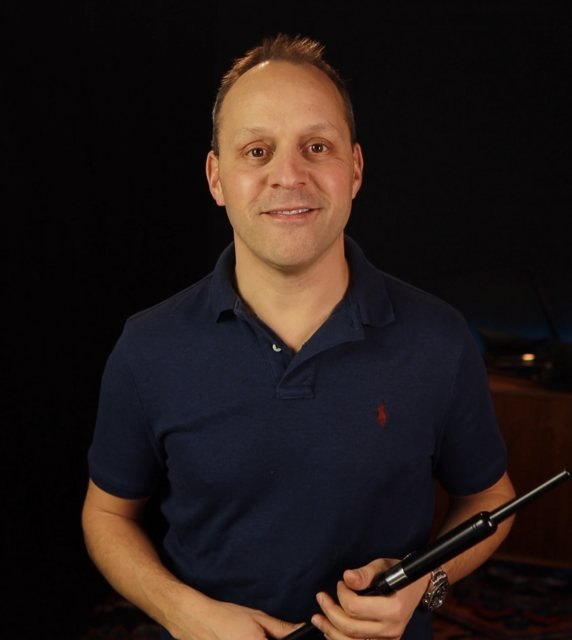
The Inner Circle
Ready to take your piping further?
Get unlimited access to 790+ lessons, videos and tunes, plus a live Zoom class with me every week. Every replay is searchable to the exact moment anything was taught.
$399/year works out to $33.25 a month$45/month month to month
For pipe bandsBring your whole band into the Inner Circle
Every piper gets their own login, and we start with a band coaching session on Zoom with me to map out your season. From $10 per piper per month.See band memberships →