▶ Video lessonAI and learning
Will ChatGPT Replace Your Music Teacher? How AI is Revolutionizing Music Education Right Now
I don’t think AI will entirely replace human music teachers, but I think it will expand access to learning. ChatGPT gets specific bagpipe questions wrong. So I built BagpipeGPT, a custom GPT that answers only from my own lessons, articles and videos. In this video I show how it works, and where I think it is going.
The Main Ideas
I don’t think AI will entirely replace music lessons taught by real human teachers. But I do think it will expand access and help people learn faster, just as Zoom lessons help pipers who live far from a teacher.
In this video I explain what ChatGPT is, what it does well, and where it gets bagpipe questions wrong. Then I show you BagpipeGPT, a custom GPT I built from my own lessons, articles and videos, so it answers from my teaching materials and not from the web.
You will see it answer real questions on crossing noises, steady blowing, reeds and the D throw, and I share where I think AI is headed for learning the pipes.
At a glance
| ChatGPT | An AI program that answers questions in a conversation, with a vast knowledge base |
|---|---|
| The problem | On specific bagpipe questions, its answers can be confusing or plain wrong |
| Custom GPT | You upload your own material and it answers from that, with web browsing turned off |
| BagpipeGPT | Built from my blog posts, handouts, articles, videos, manuals, lessons and class recordings |
| Examples in the video | Crossing noises, the D throw, steady blowing, reeds and piobaireachd |
| Practice plans | It can create a 14-day plan for a beginner on the chanter |
| Where it is going | Voice, real-time feedback and maybe a video coach |
Video highlights
“I don’t think AI tools will entirely replace music lessons taught by real human teachers, but I think it will expand access.”
“You can turn off web browsing, which means it won’t go searching online for answers, and you can instruct it to only use the information you’ve uploaded to provide the most accurate, relevant and precise answers to your questions.”
“Now, the good news is that this is not life and death. This is BagpipeLessons.”
“I don’t think BagpipeGPT is going to replace me as a bagpipe teacher, but right now it’s already proving itself to be very useful for pipers who are using it.”

Free guideThe Best Apps Every Piper Should HaveAI is one tool among many for learning the pipes, and this free guide shows you the apps I think every piper should have.
Get the free guideThe gear and resources in this video
 The Tone Protector™The world’s first digital chanter cap with two-way humidity control, for a steadier reed.Learn more →
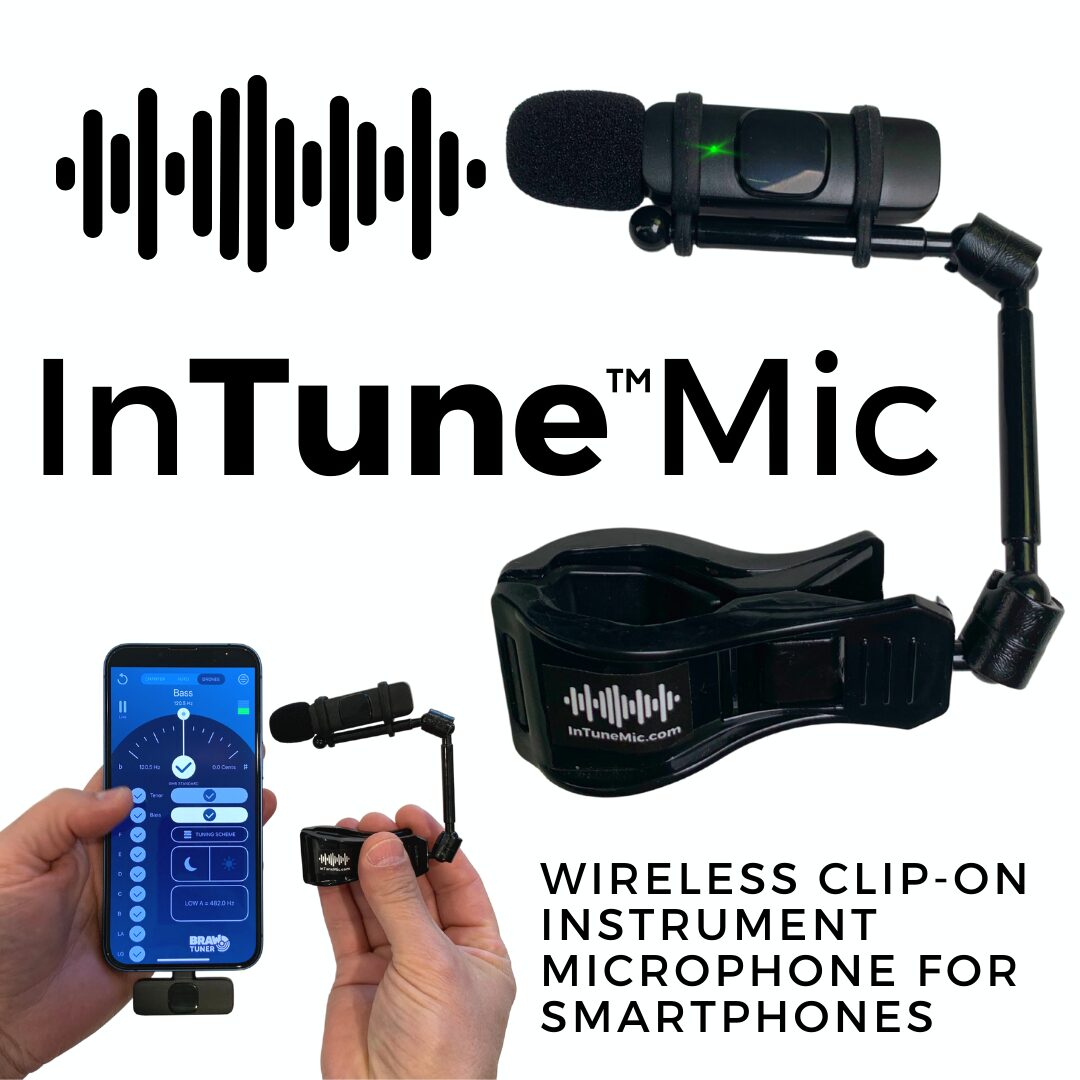 InTune MicThe world’s first wireless clip-on instrument mic for smartphones, for accurate tuning with your favorite app.Learn more →
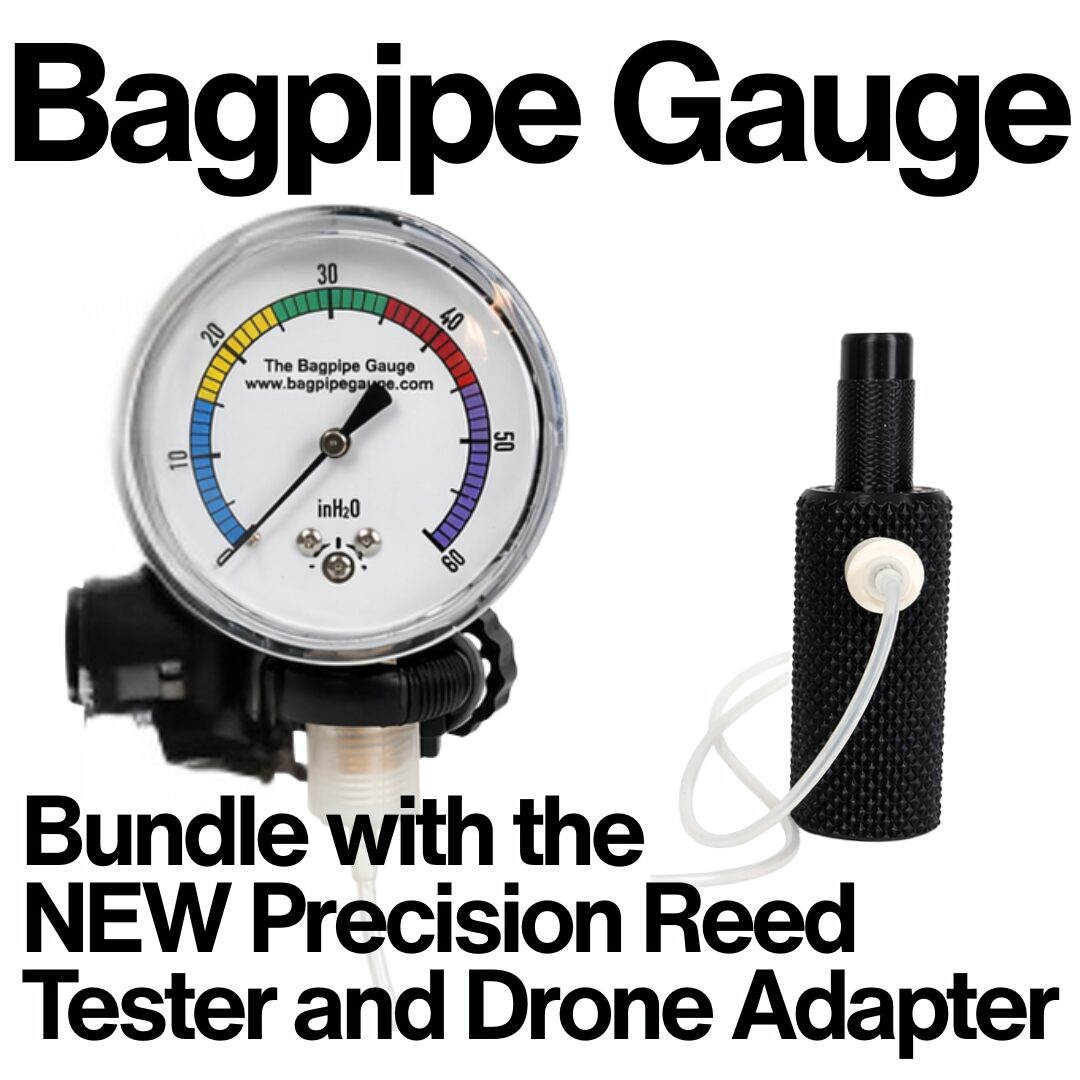 Bagpipe GaugePlugs into a drone so you can see your bag pressure and learn to blow strong and steady.Learn more →
 Bagpipe Essentials MasterclassMy online course with 31 videos on the essentials of bagpipe technique.Learn more →
 How to Achieve a World-Class Bagpipe SoundMy free guide to getting a world-class sound from your pipes.Get the free guide →
 The Learn PageMore free resources from BagpipeLessons.com.Learn more →
Your questions, answered
Tap a time to watch that part of the video.
What is Benjamin Bloom’s two-sigma problem?
Bloom discovered that an average-performing student can get into the top 2 percent with personalized one-on-one tutoring, an improvement of two standard deviations. It is called a problem because it would be basically impossible to provide that level of tutoring to every student in the world.
Can AI solve the two-sigma problem?
Sal Khan, the founder of Khan Academy, believes we can by using AI to provide high-quality personalized tutoring at scale. I am excited about a future where these technologies support and empower teachers, tutors, coaches and students.
Will AI replace music teachers?
I don’t think AI tools will entirely replace music lessons taught by real human teachers. I think it will expand access, just as bagpipe lessons by Zoom, FaceTime and Skype help pipers who live where in-person lessons are not possible.
What is ChatGPT and how is it different from Google?
ChatGPT is an AI-based computer program that can talk to you and answer questions like a human would. Google points you to where the information is. ChatGPT tries to understand and respond to your questions right away, with no surfing the internet.
Can ChatGPT help with practical planning?
Yes. I asked it for the menu and shopping list for a 3-day bagpipe workshop in Hawaii for 10 students, and in seconds I had a complete list. It even suggested items I would have forgotten, like a small knife and cutting board.
Can I upload my own documents to ChatGPT?
Yes. ChatGPT released an update that lets you upload your own documents, images, spreadsheets and text. It can summarize them, answer questions about the content, and analyze or rephrase text.
Can ChatGPT tell me how to tune my bagpipes?
Not well. Some of its answer is sort of correct and some is actually wrong. If you ask an experienced piper how to tune, you would want the specific step-by-step process, and that level of practical detail is missing.
What is a custom GPT?
It lets you upload a huge number of documents to create your own personal knowledge base, and instruct ChatGPT to answer questions based only on that material. You can also turn off web browsing, so it will not search online for answers.
What is BagpipeGPT?
It is the world’s first AI-based learning tool for bagpipers. I built it as a custom GPT from my blog posts, workshop handouts, magazine articles, YouTube videos, product manuals, lessons and class recordings.
What kinds of questions can BagpipeGPT answer?
In the video I ask it about environmental conditions and reeds, how to eliminate crossing noises, the difference between the light and heavy D throw, and beginner tips. I also try to stump it by misspelling piobaireachd on purpose.
What does BagpipeGPT say about steady blowing?
It talks about the bagpipe gauge for real-time feedback on your blowing pressure, coordinating blowing and squeezing, finding your optimal high A pressure, and using your shoulder and upper back muscles and not your bicep.
How can I try BagpipeGPT?
Visit BagpipeGPT.com and enter your name and email address. We will be in touch when we are ready to give more people access. I am continuing to test it with pipers from beginners to advanced players.
Could AI coach me in real time one day?
I think so. I can imagine AI that interacts by voice, and even a humanlike video avatar, like having a Zoom or FaceTime conversation with a world expert bagpipe coach. It could give real-time feedback on your playing.
Each week, the Inner Circle's lively sessions are designed to benefit pipers of all skill levels, all around the world.
LEARN FASTER. FIND GREATER ENJOYMENT FROM YOUR PIPING. JOIN ME.
Join the Inner CircleFull video transcript
0:00 Introduction to AI in Everyday Life
Everybody’s talking about AI. It seems to be everywhere in conversation and in the news these days, and it’s already changing our lives in some major ways. Programs like ChatGPT are changing our lives in ways that are incredible and seem somewhat unbelievable at first. They’re revolutionizing many industries with their ability to summarize, synthesize, organize, communicate, and even create information.
0:14 The Revolutionary Impact of ChatGPT
As an innovator, I’m always looking for ways we can harness new technology to improve the experience of playing and learning to play music. I started BagpipeLessons.com in 1999, and it was the world’s first bagpipe educational website. My goal with the site was to provide high-quality information to anyone, anywhere, who wants to learn to play the pipes.
0:39 The Birth of BagpipeLessons.com
And over the past 25 years, I’ve continued to use new technologies as they come out to help pipers. I taught the very first-ever webcam bagpipe lessons starting in 2003. I launched the first-ever downloadable bagpipe tune lessons in ’06, and in 2011 launched the world’s first online piping competition. I’ve invented piping products used by pipers around the world, including my popular, award-winning and patented Tone Protector, the InTune Mic, Bagpipe Gauge, and many others.
1:15 Inventions for Bagpipers Worldwide
So as a bagpipe teacher, I’m very interested in finding ways to help people learn more effectively and efficiently. With the growth and proliferation of these AI tools, I’m interested to learn ways that we can use the power of AI to help people learn.
1:25 The Quest for Effective Learning with AI
Educational psychologist Benjamin Bloom discovered that an average-performing student can improve and get into the top 2% with personalized one-on-one tutoring. This was an amazing discovery, that a student could improve by two standard deviations, from the 50th to the 98th percentile, with one-on-one tutoring. Sigma is the Greek letter used to represent the standard deviation, and Bloom described his discovery as the two-sigma problem.
1:43 Benjamin Bloom's Two-Sigma Problem
But why would he call it a problem? Well, while the benefits of one-on-one tutoring are clear, it would basically be impossible to provide tutoring at that level to every student in the world, due to the practical challenges and the high cost and resources required. Tutoring might be available to a student with the resources and connections to hire a tutor, or with a family member with the skills, training, expertise, experience and time to devote to this training. But for most of us, private tutoring would be impossible.
2:33 Khan Academy and AI as a Solution
I recently watched a TED Talk by Sal Khan, the founder of Khan Academy. You may have seen Khan Academy. It’s a nonprofit educational resource with over 10,000 videos and growing on a wide range of topics: math, science, literature, history and lots more. And these are all available online for free. Khan believes we can solve the two-sigma problem by using AI to provide high-quality personalized tutoring at scale, and improve outcomes for students and change the world. Great idea, right?
So of course, everyone should be excited about this and what it can do for individuals and students and families and societies and the whole world, if anyone who’s interested and motivated and capable to learn has the opportunity to learn with these new resources and tools. I am really excited about a future where these educational technologies will help support and empower teachers and tutors and coaches and students, and help supercharge these learning outcomes. This is going to be really cool.
3:24 Envisioning a Future with AI in Education
I don’t think AI tools will entirely replace music lessons taught by real human teachers, but I think it will expand access, just as bagpipe lessons by Zoom and FaceTime and Skype are a fantastic option for pipers who live in places where in-person lessons just aren’t possible.
3:49 AI Enhancing, Not Replacing, Music Lessons
ChatGPT is a powerful AI-based computer program that can talk to you and answer questions just like a human would. It can help with things like homework, writing stories, or just having a chat, doing research and learning. You type in what you want to say and it replies with useful information in a conversational form. Google search helps you find websites and documents by typing in keywords. It will give you links to websites where you can explore for answers. ChatGPT, on the other hand, directly has a conversation with you and provides instant, detailed responses to your questions, as if you’re chatting with a knowledgeable person.
4:10 Understanding ChatGPT: A Conversational AI
Google points you to where the information is. ChatGPT tries to understand and respond to your questions right away. There’s no surfing the internet. ChatGPT has a vast and growing knowledge base of hundreds of billions of units of text that is gathered from books, websites and other documents, and material, written material that’s available on the internet. The depth of its knowledge and its ability to respond in a natural way that is easy to use and easy to understand is mind-blowing. You’ve got to try it.
4:51 ChatGPT's Extensive Knowledge Base
You can ask it questions and it gives you answers, and you can ask follow-up questions and get further clarification and never get tired, bored, frustrated or annoyed. And its data set, its knowledge base, is huge. It requires no basic skill, no programming, no coding, just basic language skills. The ChatGPT app for the iPhone has a voice mode. You can talk to it in your voice and it will answer back in its own voice. It’s pretty surreal that you can have an interesting and fun conversation with ChatGPT on almost any topic.
5:33 Using ChatGPT for Practical Assistance
Here’s an example. I asked ChatGPT, I said, I’m putting on a 3-day bagpipe workshop in Hawaii for 10 students. I need to provide meals: a basic continental breakfast and a simple lunch with sandwich makings and snacks and some drinks too. One evening we’ll have a potluck barbecue, and I need to provide one main dish and two sides for 25 people. Please provide the menu and shopping list for Costco. In seconds I had the complete list.
6:02 ChatGPT in Action: A Real-Life Example
It suggested items I would have forgotten, like a small knife and cutting board for cutting fruit. It recommended the perfect number of paper plates and plastic utensils and the exact number of cases of bottled water. It knew what I needed and it made the precise recommendations. This is like having a super smart, ultra-conscientious, well-experienced, deeply knowledgeable personal assistant. And by the way, it’s free.
6:44 ChatGPT as a Personal Assistant
It can explain complex ideas in simple terms. It can help you brainstorm for new creative ideas, provide recipes for ingredients you happen to have on hand, and recommend books and movies based on your interests. And it can provide troubleshooting steps for common problems with your phone or computer. When I’m working out and I need a little motivational boost, I’ll use the voice feature of the ChatGPT app on my iPhone and say, can you give me 25 inspirational quotes that will help me push hard in my workout? Within seconds, the ChatGPT app is reading out loud to me inspirational quotes from athletes, statesmen, philosophers, authors and poets.
If you haven’t tried ChatGPT yet, I suggest you do it right after watching this video. It’s going to blow your mind. The information that gets added to ChatGPT’s database is called training, and there’s no way to know specifically what information has been added and when. But ChatGPT released an update that allows you to upload your own information: documents, images, spreadsheets and text. You can upload your document and get a summary. It will answer questions based on the content and will even generate new text related to the themes or topics of the document you’ve submitted.
7:45 Training and Updating ChatGPT's Database
You can ask it to analyze text and highlight key points and trends, and it can transform text by rephrasing, translating, adjusting the tone and style, alphabetization. It’s amazing. It reduces the amount of busy work and cutting and pasting that you do on your computer. In practical terms, ChatGPT can assist you by studying, by summarizing educational materials or explaining complex topics. In business, it can analyze reports, create summaries and draft responses based on documents. For creative writing, it can provide feedback, give you suggestions, even expand and continue on a story that you started. These make it an incredible tool for enhancing your productivity and creativity in various fields.
8:55 ChatGPT's Versatility in Various Fields
So as you can imagine, of course I want to see what ChatGPT can do for bagpipes and learning to play. I started playing around with ChatGPT and some of my bagpipe lesson material that I built over the years. I uploaded an article I wrote and asked for a summary. Boom, in seconds. I took the entire web page for my best-selling product, the Tone Protector, put it in there and asked it to make a list of benefits and features. Boom, bullet lists, paragraphs, no problem.
9:12 Exploring ChatGPT for Bagpipe Lessons
I asked it to give me a list of bagpipe product ideas that hadn’t been invented yet, and one of the ideas it gave me was a lightweight, cordless, clip-on drone tuning microphone. It didn’t know that I had recently released that exact product, the InTune Mic, which is quickly becoming a bestseller. But sometimes, when asking ChatGPT a very specific, highly specialized bagpipe-related question, sometimes the answers were confusing or just plain wrong.
Ask it how do I tune my bagpipes and you’ll get an answer something like this. There’s a real answer: A bagpipe has multiple components that need to be in harmony with each other. The chanter plays the melody and the drones provide a continuous harmonic background. Tuning one part of the bagpipe often affects the tuning of the other parts. For example, adjusting the drones can change the pitch of the chanter and vice versa, requiring continuous adjustments to achieve overall harmony.
10:04 Limitations and Misunderstandings in AI Responses
Tuning a bagpipe requires a very keen ear for music and a deep understanding of the instrument’s acoustics. Even slight deviations in pitch can cause noticeable dissonance, making it difficult for the untrained ear to achieve perfect tuning. These factors combined make the bagpipe one of the more difficult musical instruments to tune, requiring patience, practice and a good understanding of its mechanics and acoustics.
So it’s not exactly what you’re looking for when you ask that question, how do I tune my bagpipes. Some of it is sort of correct and some of it is actually wrong, like when it says adjusting the drones can change the pitch of the chanter and vice versa. Yeah, no. Now, if you don’t know anything about bagpipes, it sounds good, but there’s a level of detail and practicality that’s missing, right? If you ask an experienced bagpiper about how to tune, you would want to know the specific step-by-step process. So it’s not exactly wrong, what ChatGPT is telling us, but it’s not exactly helpful either.
Then ChatGPT announced a new feature that got me really pumped, really excited. It’s called custom GPTs. Now you can upload a huge number of documents and create your own personal knowledge base and instruct ChatGPT to answer questions based only on that material.
11:46 Custom GPTs: Personalizing AI Knowledge
Over the years of teaching and playing, I’ve built up a pretty big body of work related to bagpipes and education, learning to play. So we have blog posts, I have workshop handouts, magazine articles I’ve written, YouTube videos, product instruction manuals, hundreds of lessons, tunes and product demonstrations, and several hundred hours of video lessons that I’ve taught over the past several years to members of my BagpipeLessons.com Inner Circle, where I do these weekly live online classes for my students.
And I still have a lot more to get digitized and transcribed and uploaded into the database. So I’ve created this custom GPT with all of my teaching materials and started testing it by asking it questions. And I have to say, it’s surprisingly and amazingly good. Still, there were some screwy answers to some of the bagpipe-related questions. There were answers that were confusing and some that were just explained wrong.
Then I discovered an important feature that they’ve added to these custom GPTs. You can turn off web browsing, which means it won’t go searching online for answers, and you can instruct it to only use the information you’ve uploaded to provide the most accurate, relevant and precise answers to your questions. So when you interact with it, you know that the questions are going to be answered with the information I’ve uploaded, and it’s not going to go to the web and get confused by all the incorrect and misleading info that you can find online.
So that is what I’m excited to share with you today. It’s the world’s first AI-based learning tool for bagpipers, and it’s called BagpipeGPT. I’ve been testing it with a handful of my students and friends, and the feedback has been very encouraging. Even topics that are highly specific seem to be answered in a clear and detailed way. When I ask it a question and I read the response, usually my response is, wow, I agree with that 100%. Which of course makes sense, because all the answers are based on something I wrote or said in a video.
13:52 Introducing BagpipeGPT: An AI for Pipers
But the power of ChatGPT, and now BagpipeGPT, is how it can combine information from all these sources within the data set, like articles and videos, and put them together into a clear and complete answer. It can make complicated information easier to understand or provide more detailed explanations if you ask it to. It’ll explain concepts in different ways to suit various different learning styles. Maybe you like paragraphs, maybe you like lists, maybe you like outlines, maybe you like bullet points. It can help everyone understand and engage with the material in a way that suits you. It’s also fully customizable. You can ask it to explain something in simpler terms, or give more details on a specific section, or offer alternative explanations or examples.
So let’s take a look here. All right, this is what it looks like. BagpipeGPT, with Jori Chisholm and BagpipeLessons.com. This is the basic ChatGPT interface, but this is the particular heading for my custom GPT. What should we ask it? Well, why not ask it for a list of, let’s ask it to create a list of questions. Okay, so let’s put in: give me a list of 25 questions from a wide range of topics that you can answer. Boom. Searching my knowledge.
15:26 Demonstrating BagpipeGPT's Capabilities
What are some common challenges when playing bagpipes in a parade? How can recording of performance help improve your bagpipe playing? How can you check if your bagpipe is airtight? I’m just skipping through here. What’s the importance of having different setups for solo and band performances on the bagpipes? How can you identify and address leaks in your bagpipe’s blowpipe valve? How can you use a bagpipe pressure gauge to improve your tuning accuracy? You see, these are just 25 out of thousands. So let’s pick one here.
Yeah, let’s try this. How can environmental conditions impact your bagpipe’s reed performance? Let’s just paste that in. Boom. So it’s searching the knowledge. It’s not going out to the broader internet. Okay: environmental conditions significantly impact the performance of bagpipe reeds due to their sensitivity to moisture content. Here are some key points on how environmental conditions affect reeds: humidity and moisture, temperature, storage environment. It says the environment where reeds are stored when not in use is crucial. Consistent humidity levels in storage can help maintain reed stability. Boom, talks about my Tone Protector. The playing conditions: having a moisture control system with a zippered bag and a canister system. This is all there.
Let’s go with a little bit more basic question. How can I eliminate crossing noises? To eliminate crossing noises, follow these steps and techniques. Timing of finger movements: ensure that fingers that need to lift up the chanter do so before the fingers that need to drop. This prevents any unintended sounds or crossing noises caused by incorrect timing. For example, when transitioning from D to E, lift the ring finger on the top hand before dropping the three fingers on the bottom hand. See, to me that’s perfect. That’s the perfect example of a crossing noise, from D to E, and precisely how I would teach it, how I would fix it.
Practice it in two steps. Break the transition into two deliberate steps: first lift the necessary fingers, then drop the other fingers. Practicing this way helps develop muscle memory and correct timing. Minimize hand tension. Gradual practice. Focus on common problem areas. This is amazing, right?
Let’s ask another sort of basic question. What is the difference between the light and heavy D throw? Throw starts with low G, followed by D, G gracenote, moves to C, ends on D. Finger movement: lift three fingers, index, middle and ring, simultaneously to play the D, G gracenote and transition to C, drop the finger for C. Okay. Sound generally considered easier to play cleanly and quickly. All right, this is cool. Heavy D throw starts with low G, followed by D, G gracenote, returns to low G, then moves to C, ends on D. So I think that’s a pretty good, maybe could be a little bit clearer on the light D throw, but I think that is pretty darn good, and that the fact that light D throws are played in piobaireachd.
Let’s see, give me some more. Let’s say, give me tips I should know as a beginner. Hand and finger positioning is crucial. The importance of using a practice chanter. Use frequent, short practice sessions, 10 to 15 minutes a day. Use a metronome. Record yourself. Stay organized: keep a binder with all your sheet music and exercises. Set goals. Find a good teacher. Play your pipes. Invest in good quality equipment that’s comfortable and reliable. Break down your complex tunes into simpler forms. Relax your hand. Stay motivated and positive. Join a supportive community. This is amazing. That throws in a little recommendation to join my Inner Circle. That’s amazing. So what this can do is give you detailed, specific, high-quality information on almost any bagpipe topic.
20:29 BagpipeGPT: The Future of Bagpipe Education
What’s the secret to steady blowing? Achieving steady blowing on the bagpipes is essential for producing a consistent, high-quality sound. Here are some key tips and techniques. Talks about the bagpipe gauge to get real-time feedback on your blowing pressure. Talks about coordinating blowing and squeezing. Focus on the high A: start by finding your optimal high A pressure, which is a reliable reference point. Use the correct muscles. It talks about engaging your shoulder and upper back muscles and not using your bicep. Talks about overblowing, understanding fluctuations, the importance of the fullness of the bag.
Let’s ask it something to see if we can stump it. What’s the deal with piobaireachd? And let’s misspell it on purpose: pibroch. Pibroch, also spelled piobaireachd, is a classical form of Scottish bagpipe music, distinct from the more commonly heard light music such as marches, jigs and reels. Here are the key characteristics and elements of piobaireachd. Tunes are long, 7 to 24 minutes. It’s a theme and variations. Piobaireachd is considered the most complex and rewarding form of bagpipe music. It is often viewed as the ultimate challenge for pipers due to its intricate fingering and expressive demands.
All this stuff, and say, explain it, explain piobaireachd so a six-year-old can understand. This is a great thing that ChatGPT can do, which is it can adjust it based on what you want. It says, imagine you have a favorite story you love to tell. Piobaireachd is like a very special long story told through music played on the bagpipes. Here’s how it works. Talks about the beginning, the middle and the end. Tell me in 100 words. Beautiful.
Create a practice plan for 14 days for a beginner who has just started on the chanter. So this is what it can do. You can put in: these are the tunes I’m working on, this is how much time I have to work each day, these are my priorities, and it will spit this out for you in seconds. It’s completely amazing. Boom. So there you go. That gives you a little bit of an idea of this amazing thing that ChatGPT can do and how it works and what I’ve built into BagpipeGPT.
So I want to go back. I want to tell you a little bit about what’s the plan for now. As of today, I’m continuing to test things and see how it works for different pipers at a wide range of ability levels, from beginners to intermediate, even some advanced players. Now, the good news is that this is not life and death. This is BagpipeLessons. So if it gets things slightly wrong, it’s not a huge deal. But I do want to make sure that it gets things right as best as it can, so that BagpipeGPT can be useful and helpful and trusted as a source for information about all things related to piping and learning to play.
24:15 The Future of AI in Music Learning
So if you want to try this out, please visit BagpipeGPT.com and you can enter your name and email address there, and we’ll be in touch when we’re ready to give more people access to this tool. We’re taking it step by step, but I’ve got to tell you, I’m really excited to get this into the hands of as many pipers as we can and move this along as fast as we can.
So where is all this going? It’s hard to know for sure, since things are evolving so quickly with AI. I don’t think BagpipeGPT is going to replace me as a bagpipe teacher, but right now it’s already proving itself to be very useful for pipers who are using it. I use it myself as a quick way to access all this information that I’ve created over the years. The fact that I can access hundreds of documents and articles and hundreds of hours of video and extract out the precise information I’m looking for and present it just in the way that I want is amazing. It’s an amazingly powerful tool for teaching and for learning.
I think it will become just another resource that you can use to learn alongside your one-on-one bagpipe lessons, reading articles, going to workshops, blog posts and watching videos. I can imagine a time where this or something like it will be available to everyone, giving inspiration, learning tips, and detailed and personalized information, helping create practice plans, and maybe even someday listening to your playing and giving relevant and helpful real-time feedback.
I can imagine having an AI bagpipe teaching assistant that can listen to you play and give specific feedback, like, nice playing in the march, but you’re slowing down in the third part. Or something more generalized, like, overall your birls are clean and consistent, but the birls from B aren’t as clean, so here are some exercises to work on that. Or it could give you tuning help, like, your high A is starting to get a bit sharp and unstable, you might think about poking your reed, or maybe start to break in a new reed. Or it could give you suggestions, like, since you tend to like 2/4 marches written by John MacColl, here’s a new tune you might like that hardly gets played by anyone these days.
I do think AI-based learning tools like BagpipeGPT will eventually be able to interact with us in voice conversation, listening and replying in natural language we can understand instantly. Advances in AI video generation will allow us to interact in real time with a humanlike video avatar. Imagine being able to have a conversation, like Zoom or FaceTime, with a world expert bagpipe coach in real voice and video, just like being on Zoom or FaceTime. I am excited for what the future is going to bring.
27:11 Real-Time AI Interaction in Music Education
I’m an optimist, and I believe that AI learning tools will greatly enhance human learning and experiences. By integrating these technologies into our educational process and development of skills and learning, we are going to learn faster, in a more efficient way, and it’s going to be more personalized. AI has the potential to provide real-time, detailed feedback and will enable you to understand your strengths and areas for improvement with clarity. This approach is going to help accelerate learning, and it’s also going to facilitate deeper engagement with the material.
I’m hoping that barriers to learning will be reduced, and anyone anywhere in the world who’s interested to learn and motivated to practice will have all of the world’s best resources right at their fingertips. I’m excited for what the future holds for all of us and what we can do together as students, teachers and musicians. I’m excited for a world where barriers to learning will be eliminated, and anyone anywhere who’s motivated to practice and who wants to learn, who wants to get better, will have all of these resources available to them.
So please visit BagpipeGPT.com and sign up to get access, and subscribe to the BagpipeLessons.com YouTube channel and click the little bell icon to get notified when we add new videos to the channel. Download my free guide called How to Get a World-Class Bagpipe Sound. Check out the BagpipeLessons.com Learn page for more free resources, and check out my BagpipeLessons.com shop for the Tone Protector, InTune Mic, Bagpipe Gauge and more of my popular and award-winning products for pipers. The links to everything are in the description below.
28:51 Conclusion and Resources for Bagpipers
And if you’re looking to take your piping to the next level, check out my Bagpipe Essentials Masterclass, with 31 high-quality videos on all the essentials of bagpipe technique, perfect for beginners and any piper who wants to deepen their understanding of bagpipe fingering. You can get the Bagpipe Masterclass for free when you join my Inner Circle, which gives you access to my lesson library with hundreds of tunes, lessons and videos on nearly every piping topic, and you get weekly live online video classes with me to help you reach your piping goals. Thanks again for watching, and happy piping!
My exact words from the video, lightly cleaned up for reading. Click any time to jump the video to that moment.

About Jori Chisholm
Jori started BagpipeLessons.com in 1999, and in 2003 he became the first piper to teach one-on-one lessons by video. His online teaching has been featured on the front page of the New York Times, and thousands of pipers around the world have used his lessons, tools and products.
He is a four-time U.S. Gold Medalist for Piping, has won prizes at the Argyllshire Gathering, the Northern Meeting, Cowal and Braemar, and won the World Pipe Band Championships three times with the Simon Fraser University Pipe Band. He invented the Tone Protector, the InTune Mic and the Endurance Practice Chanter, and in 2011 he founded the World Online Piping & Drumming Championships.
More about Jori →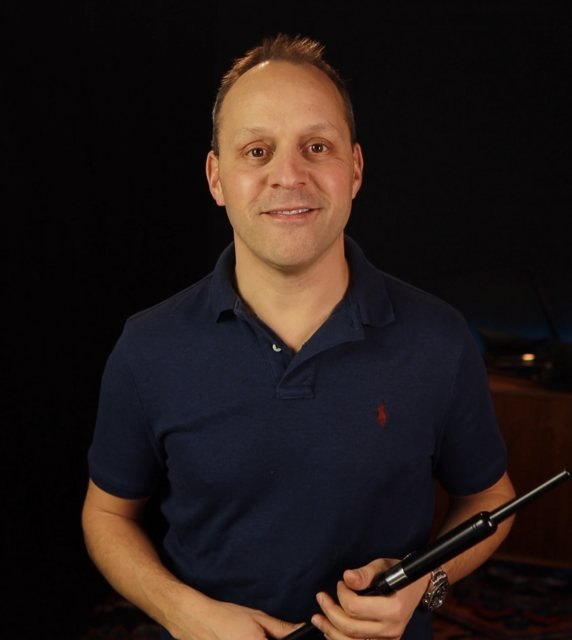
The Inner Circle
Ready to take your piping further?
Get unlimited access to 790+ lessons, videos and tunes, plus a live Zoom class with me every week. Every replay is searchable to the exact moment anything was taught.
$399/year works out to $33.25 a month$45/month month to month
For pipe bandsBring your whole band into the Inner Circle
Every piper gets their own login, and we start with a band coaching session on Zoom with me to map out your season. From $10 per piper per month.See band memberships →