▶ Video lessonPractice
Transform Your Bagpipe Technique with the Ultimate GDE Gracenote Workout for Bagpipers of All Levels
A play-along workout on GDEs, the gracenote combination found in nearly every bagpipe tune. Start with eight reps of each combination, then four, two and one. Keep the gracenotes the same size and evenly spaced, your hands loose, and your timing steady with a metronome.
The Main Ideas
The GDE is the gracenote combination you will find in almost every kind of bagpipe tune, from jigs and reels to marches and piobaireachd. In this video I play along with my Power GDEs exercise, one of my favorites from the Power Exercises Series.
You start with eight reps of each GDE combination, then four, then two, then one. The goal is three gracenotes that are the same size and evenly spaced, with melody notes of equal length.
Keep your hands loose, keep your fingers close to the chanter, tap your foot and use a metronome. If it feels too fast, slow it down. You can also slow the video itself with the YouTube playback speed.
At a glance
| The exercise | Power GDEs, from my Power Exercises Series |
|---|---|
| How it builds | Eight reps of each GDE combination, then four, two and one |
| Goal for the gracenotes | All three the same size, evenly spaced, so the melody notes are the same length |
| Hands | Loose and light on the chanter. Never grip or squeeze |
| Fingers | Keep them close to the chanter |
| Timing | Tap your foot and use a metronome |
| Too fast? | Slow the video with the YouTube playback speed, or slow your own tempo |
Video highlights
“Mastering your GDEs is essential for improving your technique and helps you play cleaner, faster, and with better consistency.”
“The GDE is a foundational element, and mastering the GDE will help you master other embellishments across all of your other tunes.”
“Your goal is to keep your hands relaxed and controlled, never tight.”
“The secret to playing well at a faster tempo is to play well at a slower tempo first.”
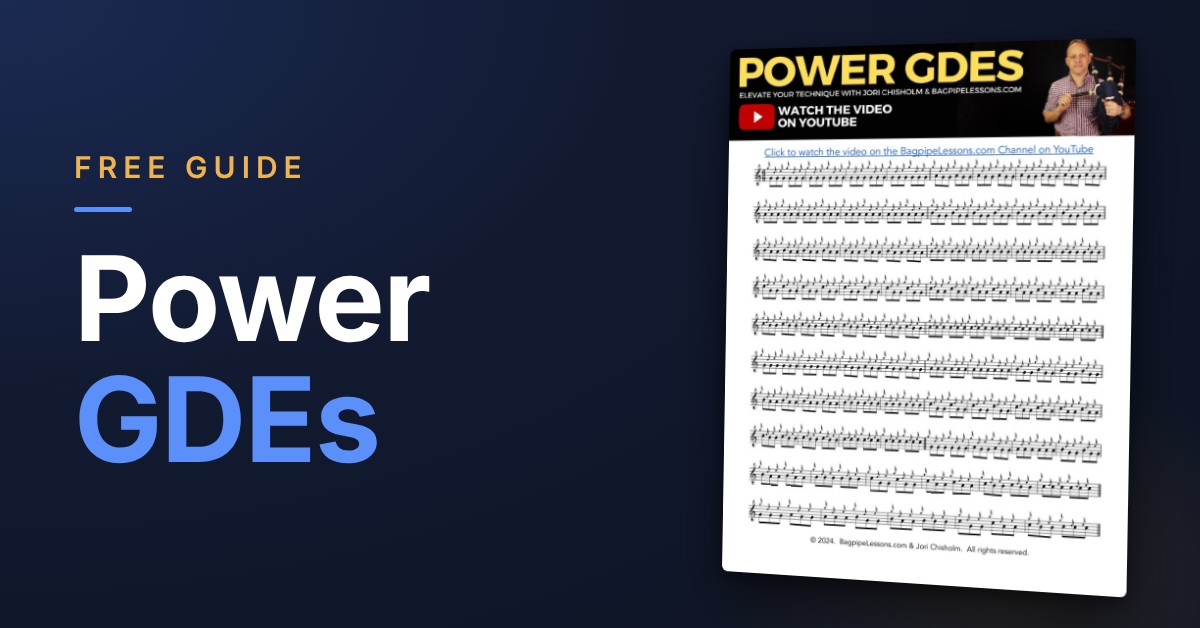
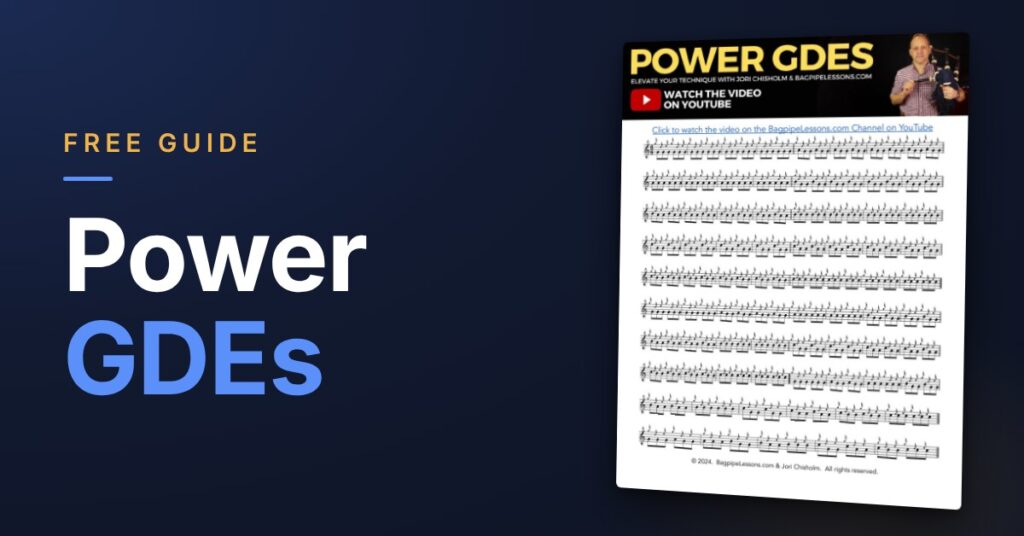
Free guidePower GDEsThe free Power GDEs exercise sheet, the same one I play from in this video.
Get the free exercisesThe tools in this video
 The Piper's MetronomeThe app I made for pipers, with a ring-style display that shows when you are right on the beat. Free to download, with an upgrade for more features.Learn more →
 How to Get the Most Out of Your PracticeMy free PDF guide on making the most of your limited practice time.Learn more →
Your questions, answered
Tap a time to watch that part of the video.
Why are GDEs so important in bagpipe tunes?
The GDE is one of the most important gracenote combinations in virtually every type of bagpipe tune, from jigs and reels to strathspeys, marches and piobaireachd. Mastering your GDEs helps you play cleaner, faster, and with better consistency.
Where can I download the Power GDEs exercise?
You can download a PDF of the exercise right now from BagpipeLessons.com. There is also a link in the description of the video.
What is the Power Exercises Series?
It is my series of exercises that includes Power Doublings, Power Taorluaths, Power Birls, Power D Throws and more. They are available exclusively to members of my BagpipeLessons.com Inner Circle Membership.
Why is the GDE a foundational part of piping technique?
The GDE is a building block of your technique. Mastering it helps you master other embellishments across all of your other tunes, and it helps you develop speed and control.
What GDE combinations are in this exercise?
We play GDEs on the same note, like low A, low A, low A, and GDEs with changing notes, like C, low A, low A.
How should the gracenotes in a GDE sound?
Make all three gracenotes identical in size so they sound crisp and clear. Space them evenly, so the melody notes are all the same length.
How should I structure my GDE practice?
Start with eight reps of each GDE combination, then four, then two, and finally one. This warms up your fingers and builds speed and fluency over time.
How tight should my hands be when I play GDEs?
Keep your hands loose and light on the chanter. Don't grip or squeeze. If your hands get tired or tight, take a quick break of 20 or 30 seconds, shake them out and try again. Never play tight.
How high should I lift my fingers?
Keep your fingers close to the chanter. That helps you play clean and fast, because high finger height slows you down. Also listen for crossing noises and make sure you're not cutting the first note.
Should I read the music if I already have the exercise memorized?
Yes. Keep your eyes on the music and use the practice to help your sight-reading. Tap your foot too, because a steady, confident foot tap is the key to steady, consistent timing.
How slowly should I start?
Slow and controlled. If you feel you can't keep up or you feel overwhelmed, slow it down. The secret to playing well at a faster tempo is to play well at a slower tempo first.
Should I practice my GDEs with a metronome?
Yes. A metronome does one thing extremely well: it keeps a steady beat. I use my Piper's Metronome app, which lets you see when you are right on the beat or slightly ahead or behind.
What if the video is too fast for me?
Click the little gear icon in the bottom right corner of the YouTube player, choose playback speed, and pick a speed that works for you. Start at a pace where you feel comfortable and in control, then build up.
Each week, the Inner Circle's lively sessions are designed to benefit pipers of all skill levels, all around the world.
LEARN FASTER. FIND GREATER ENJOYMENT FROM YOUR PIPING. JOIN ME.
Join the Inner CircleFull video transcript
0:00 The Importance of GDEs in Bagpipe Tunes
Today I’m going to help you elevate your bagpipe fingering technique with one of my favorite exercises. It will help you with one of the most important gracenote combinations found in virtually every type of bagpipe tune, and that is the GDE. From jigs and reels to strathspey and marches, piobaireachd, and more, GDEs are more than just a combination of gracenotes; they’re the building blocks of your technique. Mastering your GDEs is essential for improving your technique and helps you play cleaner, faster, and with better consistency.
In today’s video, we’re focusing on one of my favorite exercises I call “Power GDEs.” You can download a PDF of this exercise right now from BagpipeLessons.com. A link is also in the description below. It’s designed to help your fingering, so your gracenotes are executed flawlessly, so you can play your tunes with consistency and confidence. It’s part of my series I’ve created that I call the Power Exercises Series, which includes Power Doublings, Power Taorluaths, Power Birls, Power D Throws, and more. All of these exercises are available exclusively to members of my BagpipeLessons.com Inner Circle Membership.
1:04 The Power Exercises Series
Joining my Inner Circle gives you complete access to all of these exercises and hundreds of lessons, videos, tunes, and exercise, and weekly live classes with me, to help you take your piping to the next level. Whether you are a brand-new piper or have lots of experience, there’s something for you at the Inner Circle. Learn more and join today at BagpipeLessons.com/membership.
1:20 Join my Inner Circle:
The beauty of GDEs lies in their versatility and their role in helping you develop speed and control. The GDE is a foundational element, and mastering the GDE will help you master other embellishments across all of your other tunes. Today’s exercise is all about deliberate practice, aimed at achieving clear, clean, and consistent GDEs. We’ll explore GDEs played on the same note, like low A, low A, low A, and those involving changing notes, like C low A, low A.
1:48 The GDE: A Foundational Element of Piping Technique
When you practice your GDEs, make sure all three gracenotes are identical in size to keep them sounding crisp and clear. Rhythmically, the goal is to space the gracenotes evenly, so the melody notes are of identical length. We’ll go through an exercise that starts with eight reps of each GDE combination, then four, then two, and finally one. This structure allows you to progressively warm up your fingers and master these note combinations, eventually building up speed and fluency.
2:36 Repeating Patterns in 8,4,2, and 1.
Here are a few things to keep in mind while playing this exercise: always maintain good form, which means keep your hands loose and light on the chanter. Don’t grip or squeeze. It’s totally natural to tighten up as you focus on clean, consistent fingering, but your goal is to keep your hands relaxed and controlled, never tight. If you find your hands are getting tired or tightening up, take a quick break, something like 20 or 30 seconds, shake out your hands, and then try again. If your fingers won’t do what you want them to do, relax, try again, or take a quick break. Never play tight.
2:49 Maintain Good Form: Light Finger. Never Play Tight
Also, keep your fingers close to the chanter. This helps you play clean and fast. High finger height slows you down. Listen carefully for crossing noises and make sure you’re not cutting the first note, especially in these combinations that are similar to tunes that start with C-A or B-G. Read the music, even if you have the exercise memorized. Keep your eyes on the music and use the practice to help your sight-reading skills. Tap your foot. The key to steady, consistent timing is a steady, confident foot tap. Play slow; keep things slow and controlled. If you feel you can’t keep up or if you feel overwhelmed by the reading or playing of the exercise, slow it down. The secret to playing well at a faster tempo is to play well at a slower tempo first. Get control, and then things will speed up over time.
4:05 Start Out Slowly
Use a metronome. The metronome does one thing extremely well: it keeps a steady beat. Use your metronome to keep things rock solid as you develop and refine your own internal sense of beat. I love to practice my exercises with the metronome, which helps me stay controlled and precise with my timing. To get the most out of your limited practice time, you can use your exercises to work on the fingering technique and the timing and the rhythm because that’s the ultimate goal, right? To play clean and controlled and to use your good technique to play music.
4:25 Use the Piper's Metronome
The metronome I’m using is the Pipers Metronome. It’s an app I created specifically for pipers and the way we play and practice our tunes. It has tons of fantastic features you won’t find in any other app. You can get it for Apple and Android, and it’s a free download from the app store or from PipersMetronome.com. After trying it out for free, you can upgrade to the full version to unlock all of the cool features.
When you play along with the metronome, try to keep right on the beat, ensuring your notes are steady and even. The unique display of the Pipers Metronome makes it easy to see when you’re right on the beat or slightly ahead or behind. If the tempo of this video doesn’t quite match your current playing speed, you can easily adjust it. YouTube allows you to change the playback speed to suit your comfort level. Just click on the little gear icon in the bottom right corner of the video player and choose playback speed, then select a speed that matches the tempo that works best for you.
5:37 Slow Down The Video Playback
It’s completely okay to slow things down initially. Mastery of any musical skill requires patience and development over time, so start at a pace where you feel comfortable and in control, and gradually increase the speed as you gain confidence and skill. This step-by-step approach ensures that you’re not just playing the notes, but mastering them, and mastering the timing as well.
Okay, grab your practice chanter or your pipes, and let’s get started. Here we go.
6:25 Power GDEs Exercise Play Along
Great job! If you have any questions or comments, please leave them in the comment section below, or if you have a specific question about a tune or something you’re working on, I would love to hear from you. If you enjoy this exercise and this video, I have many, many more available to members of my BagpipeLessons.com Inner Circle. With your membership, you gain full access to the very best of everything at BagpipeLessons.com. This includes weekly live, interactive online classes for pipers of all skill levels, led by me and World Champion guest instructors. You’ll also get access to my exclusive lesson library, filled with hundreds of videos, lessons, tunes, exercises, demonstrations, and more, covering nearly every topic in piping, from music theory to technique to tuning, maintenance, setup, and so much more. And you get personalized support from me to help you reach your piping goals. To find out more about joining my Inner Circle, please visit BagpipeLessons.com/membership. I would love to see you there.
8:36 Questions? Comments? Please Post Below
For more free resources, including videos, lessons, and other guides, make sure to head over to BagpipeLessons.com. Download my free PDF guide called “How to Get the Most Out of Your Practice.” The link is in the description below. Remember to subscribe and click the notification bell to stay updated when we post new videos here on the BagpipeLessons.com YouTube channel. Thanks for watching, and happy piping!
My exact words from the video, lightly cleaned up for reading. Click any time to jump the video to that moment.

About Jori Chisholm
Jori started BagpipeLessons.com in 1999, and in 2003 he became the first piper to teach one-on-one lessons by video. His online teaching has been featured on the front page of the New York Times, and thousands of pipers around the world have used his lessons, tools and products.
He is a four-time U.S. Gold Medalist for Piping, has won prizes at the Argyllshire Gathering, the Northern Meeting, Cowal and Braemar, and won the World Pipe Band Championships three times with the Simon Fraser University Pipe Band. He invented the Tone Protector, the InTune Mic and the Endurance Practice Chanter, and in 2011 he founded the World Online Piping & Drumming Championships.
More about Jori →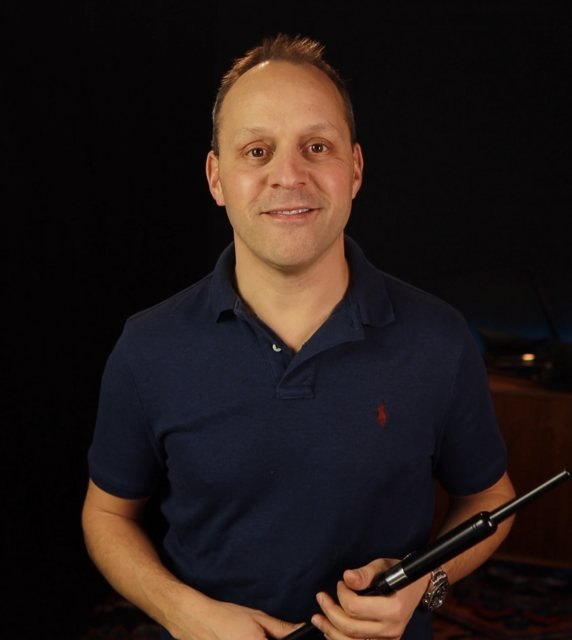
The Inner Circle
Ready to take your piping further?
Get unlimited access to 790+ lessons, videos and tunes, plus a live Zoom class with me every week. Every replay is searchable to the exact moment anything was taught.
$399/year works out to $33.25 a month$45/month month to month
For pipe bandsBring your whole band into the Inner Circle
Every piper gets their own login, and we start with a band coaching session on Zoom with me to map out your season. From $10 per piper per month.See band memberships →