

By Jori Chisholm • BagpipeLessons.com
I’ve been playing and teaching bagpipes for 30 years, including teaching bagpipe lessons online since 2003 to students of all levels around the world. I founded BagpipeLessons.com with the hope of inspiring anyone, anywhere, to fulfill their dreams of becoming pipers — regardless of previous experience or location. Here are the things that matter most when you are starting out.
The short version
You can learn to play the pipes, and you do not need bagpipes to start. You begin on a practice chanter — smaller, quieter, cheaper and less demanding than the full instrument. Get a regular-length plastic practice chanter, and never buy anything bagpipe-related made from rosewood.
Don’t try to learn from a book alone, and don’t learn from random internet sources. Music is heard and seen, not read about. Find one trusted teacher or one trusted library of lessons and stay with it.
Spend your first few months on hand position and clean finger technique. The bagpipe scale has only nine notes. The habits you build in the first few weeks either free you or limit you for years.
Yes, You Can Be a Piper
You can learn to play the pipes. It takes enthusiasm, practice and opportunities to learn from a good teacher. Every piper I know has their own unique interests and experiences they bring to their musical journey. I’ve taught very young children and adults who have taken up piping in the retirement years. I’ve taught experienced professional musicians who have mastered other instruments and I’ve taught pipers with zero musical experience. Whoever you are and wherever you are — you can learn to play!
You Don’t Need Bagpipes to Start Learning
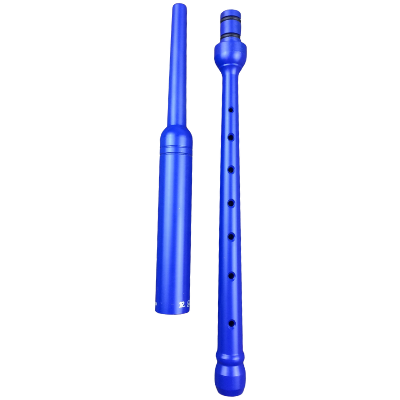
You will start learning on a musical instrument called the practice chanter. The chanter (most pipers drop the word “practice”) is smaller, quieter, cheaper and less demanding to play than the bagpipes. The chanter allows you to learn and practice the fingering for the pipes without the bag or drones. The practice chanter has a reed that will get you started learning how to blow strong and steady on the pipes.
I recommend a regular length, plastic practice chanter. Chanters are also available in child’s size (sometimes called junior size) with the holes slightly closer together for smaller hands. I would not recommend a long chanter. Plastic chanters are less expensive than wood chanters and will never crack or break. Save your money for a great set of pipes, instead of splurging on a spendy wood practice chanter with fancy engraving.
Avoid rosewood. Do NOT buy anything bagpipe related made from rosewood. Internet shopping sites, especially Ebay, will have lots of very poorly made practice chanters and bagpipes made from this material. Stay away from these instruments! They may look like the real thing, but they are not designed to be played. They sound awful and will lead to frustration and eventually you’ll need to purchase a new one.
Don’t Try to Learn From Just a Book
Somebody once said that writing about music is like dancing about architecture. It’s a translation at best. There are a lot of things involved in learning to play a musical instrument — timing, melody, finger position, breath control and so on. Personally, I always strive to explain things in the clearest possible way. It’s one of the fun challenges of teaching: taking a difficult or complicated idea or skill and making it understandable to the student. But I think that it’s almost impossible to learn to play a musical instrument from just a book alone. Even the best written materials on music can only go so far. Eventually, you’ll want to hear how something is supposed to sound or see how something is supposed to go.
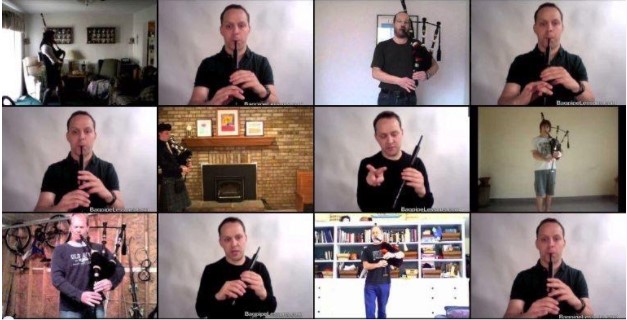
Someone also said that a picture is worth a thousand words. When I’m teaching, I always try to demonstrate clear examples of what you want to achieve and pitfalls you want to avoid. My ever-growing library of online lessons are built around the idea that you will learn best when you can learn from many different types of lessons, with clearly written descriptions, audio recordings, high-quality video demonstrations and detailed exercise showcases with clear explanations.
Find a Trusted Source for Information
There’s a ton of bagpipe-related information online. The challenge for someone starting out is to find the good information and avoid the bad stuff. When you’re starting out on something new, you don’t yet know what you don’t know and you don’t know what you need to learn.
Understanding the amount of scattered information and piecemeal educational material available to new pipers, I designed a better option — the BagpipeLessons.com Inner Circle. Members have access to hundreds of multimedia resources, lessons, tune tutorials, sheet music and more. Plus, you’ll have the chance to join me interactively weekly for live lessons on all kinds of topics — from technique, competition prep, exercises, world champion guests or even how to guides on buying pipes or simple maintenance. You’ll join a great group of other pipers from around the world learning online at their own pace and preference.
You’ll need time to practice, but you shouldn’t waste your valuable time and energy searching the internet for excellent, high-quality lessons from someone with the expertise you can trust. I do all the hard work of creating lessons, courses, and videos so you can focus on learning efficiently. I’m constantly working on new lessons and coming up with new ways to help pipers grow and learn.

Get Started With the Correct Hand and Finger Positions
The first few months of your piping can have a lasting effect on the rest of your piping life. Take the time to learn good fundamentals of correct finger position and clean finger technique and you’ll be on the right path. I’ve taught pipers who were either previously self-taught or poorly taught, and they were limited by incorrect finger position which then limited their ability to play with control and expression.
The bagpipe scale only has nine notes. Do yourself a favor and start playing from day one with proper hand position and clean finger technique. Think of the time and effort spent in the first few weeks as an investment that will pay off for years to come.
Is It Really Possible to Learn Bagpipes Online?
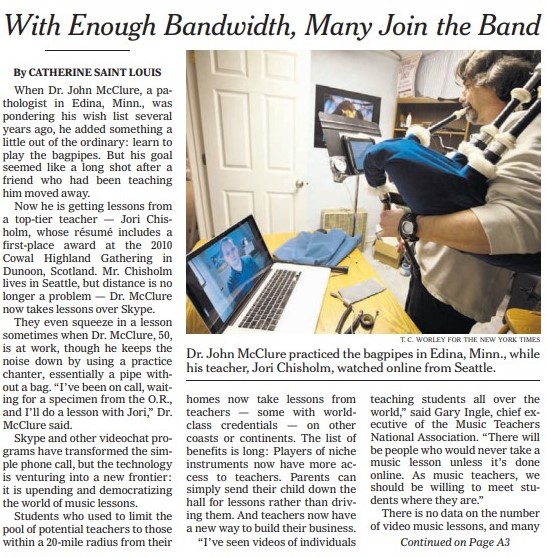
Absolutely! I teach students every day around the world who are living their dream of learning to play the pipes. Online education is huge! Many are now learning to play a musical instrument online. I was even featured on the front page of the New York Times in 2012 in their story about the growth of online music lessons.
I’ve been teaching online in one-on-one video lessons since 2003 when webcams and high-speed internet first became available. I remember thinking that internet-based bagpipe instruction would be promising for pipers, especially for those with no opportunities for high-quality local instruction. I also created the world’s first tune and video series lessons that have now been downloaded by thousands of pipers around the world.
Who I teach
- Adults taking up pipes as a hobby
- Kids of all ages
- Pipers looking to advance in competitions
- Pipers who play with their local pipe band
- New pipers who have extensive musical experience on another instrument
- Pipers who have never played any instrument before
- Pipers who have previously tried learning on their own
- Pipers who are looking for instruction from a world-class player
- Pipers who are serious and driven
- Pipers who are interested to learn mostly for personal enjoyment
- Pipers who have wanted to learn for a long time
- Pipers who have taken lessons but are looking for a better approach
Start Today
At BagpipeLessons.com, I have everything you need to get started out right. My beginner lessons are designed to be clear and easy to follow. You can learn at your own pace with my high-quality video and audio lessons that you can access at any time, anywhere. Join the Inner Circle and learn with me, live, every week!
The best part? You can start learning right now. Learning to play the pipes can be exciting, rewarding, and challenging. But mostly, learning to play the pipes should be fun! Practice smart, trust your teacher, and find joy in the journey. If you want to learn to play, I would be honored to help you reach your dreams.
Related Guides
- The 80/20 Rule for Steady Bagpipe Blowing — the blowing habit that separates top pipers from everyone else.
- How to Get the Most Out of Your Practice — how to turn practice time into real progress.
- 10 Ways to Get the Most Out of Your Online Bagpipe Lessons — get more from every lesson you take.
- Secrets for Making Your Pipes Easy to Play — for when you move from the chanter to the full instrument.
Frequently Asked Questions
Do I need to buy bagpipes to start learning?
No. Every piper starts on a practice chanter — a smaller, quieter, cheaper instrument that teaches you the fingering and the beginnings of steady blowing. Most students play the chanter for several months before moving to the full instrument.
What practice chanter should I buy?
A regular-length plastic practice chanter. Child’s or junior size has the holes slightly closer together for smaller hands. Avoid long chanters, avoid expensive engraved wood chanters, and never buy anything made from rosewood — those instruments are not designed to be played.
How old is too old to learn the bagpipes?
There isn’t an age limit. I’ve taught very young children and adults who took up piping in retirement, professional musicians and people with no musical experience at all.
Can you really learn bagpipes online?
Yes. I’ve taught one-on-one online video lessons since 2003, and the approach was featured on the front page of the New York Times in 2012. Online instruction gives you access to a world-class teacher regardless of where you live.
What should I focus on in the first few months?
Hand position and clean finger technique. The scale is only nine notes, so there is nothing to be gained by rushing past the fundamentals — and a great deal to lose. Poor early habits limit control and expression for years.
Do I need a teacher, or can I learn from a book?
A book alone is not enough. Timing, tone, finger position and breath control all have to be heard and seen. Use written material alongside audio and video demonstrations, and get feedback from a teacher on your actual playing.
About Jori Chisholm
Jori Chisholm is a world-renowned American professional bagpipe player and teacher. He played with the six-time Grade One World Champion Simon Fraser University Pipe Band for 19 years and was a featured solo performer for the band on multiple occasions. He is a successful solo competitor, winning the United States Gold Medal four times and winning top prizes at many top competitions including the Northern Meeting at Inverness, the Argyllshire Gathering in Oban, the Royal Braemar Gathering, and the Cowal Highland Gathering.
Jori started BagpipeLessons.com in 1999, in hopes of bringing pipers of all levels and experience valuable, trusted information, tools, support, and inspiration. In 2003, Jori was the first piper to teach bagpipes online. He has been featured in a New York Times front page story about the growth of online music lessons. Jori also founded the world’s first online-only piping and drumming competition, the World Piping and Drumming Championships, which has become a highly popular and celebrated event.
Jori has invented several popular, award-winning, and patented products for pipers including the Tone Protector™ chanter cap with two-way humidity control, the Tone Protector™ Reed Case, InTune Mic™, the Bagpipe Gauge, the Piper’s Ultimate Reed Poker, the Piper’s Advantage™ Bagpipe Phone Mount, and the Piper’s Metronome™. Jori lives in Seattle, Washington with his wife and two sons and enjoys traveling, exploring the great outdoors, and of course, music of all kinds.
Questions? Visit BagpipeLessons.com/membership-faqs for more information!